Every child we serve deserves a story that ends in triumph, not trauma. We walk that road with them, from the first sign of danger to a future reclaimed.
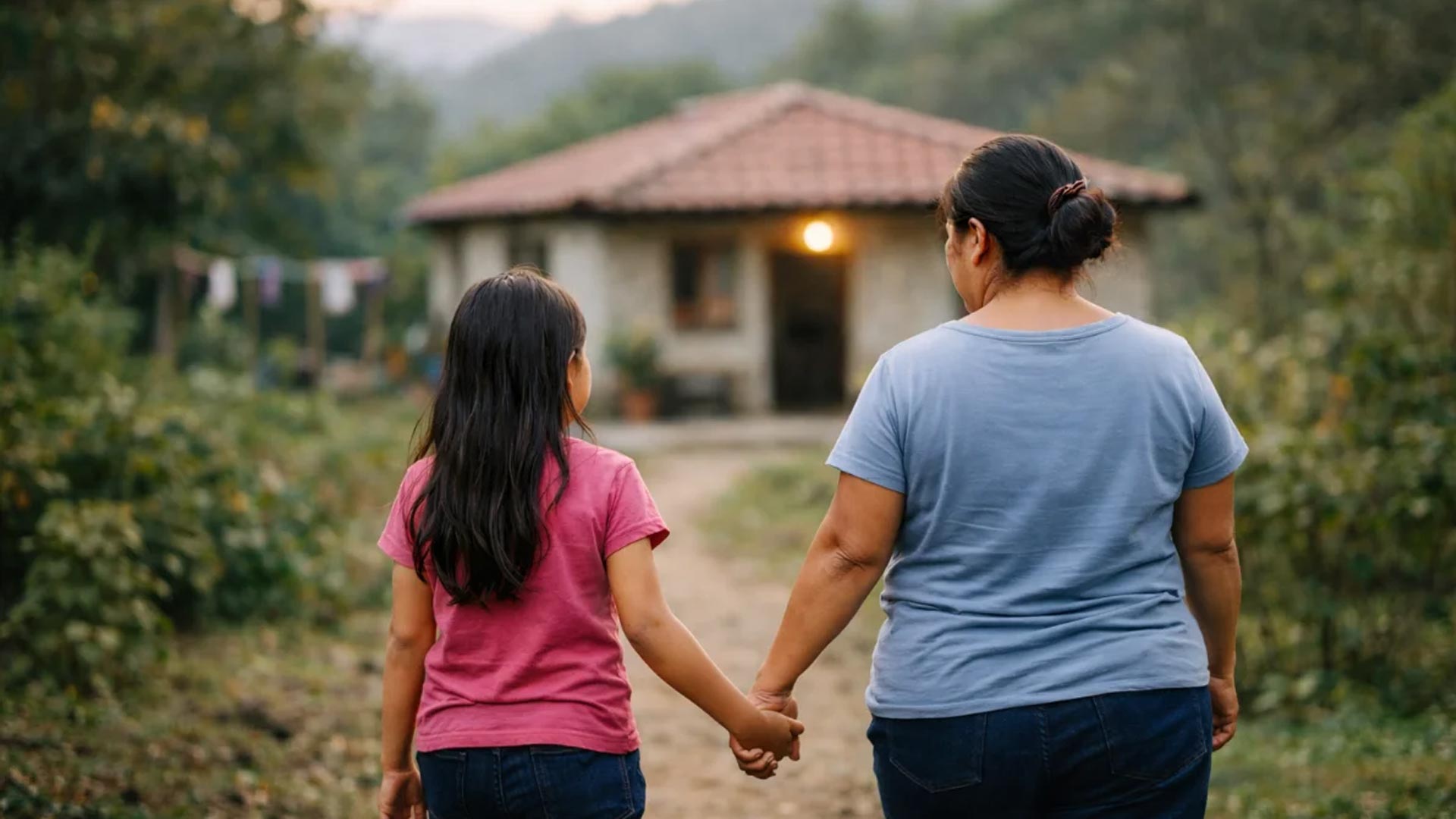
Every child we serve carries either the trauma of abuse, exploitation, or neglect already suffered – or the toxic stress of living under real risk of it. Kids Alive International (KAI) walks with them on the road from trauma to triumph: preventive programs that reach vulnerable children before harm arrives, protective care and trauma-informed healing for those who’ve been hurt, and justice that heals – accountability for what was done, and a future reclaimed.
Family strengthening and restorative education aren’t separate steps – they run through each of these, turning safety into a future every child can walk into. Our trauma-informed teams tailor this care to the needs of each child in the six countries we serve, making sure every child knows they are a beloved child of God, a work of art, clean and powerful.
Every child needs a safe, loving, and nurturing relationship with an adult to thrive. This fact influences everything we do.
The best place for those bonds is within the family. Our family strengthening programs teach parents – many of whom never received loving bonds themselves – how to build loving bonds, how to keep their children safe, and how to nurture them to maturity.
That same foundation carries into the classroom. In our restorative approach to education, we create safe classrooms and train teachers to be trauma-responsive.
When a child cannot be safe at home, our protective care caregivers – whether in residential homes or host families – are trauma-trained to create the loving bonds of healing. Children cannot be told they are safe – they must feel safe.
And finally, the most important ingredient in the justice journey is a safe, loving, nurturing adult walking beside the child.
Justice is more than a verdict.
For vulnerable children and children who have experienced abuse, the justice system can seem anything but just.
The best way to help a child is to prevent abuse in the first place. That’s why our restorative education includes programs that teach children to recognize when they’re unsafe and to speak up. But the greatest injustice happens when a child does speak up, and the adults in the room do nothing. A key part of our training is teaching “first responders” – teachers, pastors, and, most importantly, parents – how to respond.
Our approach to justice includes the primary caregiver and the family, not just the child. Abuse within a family affects more than its direct victims – it affects the whole family system. That’s why family strengthening is key to restoring a child’s right to live safely within their family.
When a home isn’t safe and authorities have removed a child, justice that heals means advocating for the child’s rights in court, and for their right to belong to a family and community again. The most just act of protective care is to ask two questions: What does this child need? And how can their right to a permanent family be restored?
Legal systems can be abusive. Our justice advocacy fights for the rights of individual children in court, and for reforms – child-friendly spaces, video testimony, trained first responders – so that every child, not just those in Kids Alive care, is treated in a way that not only avoids revictimization, but heals.
Many of the children in our programs come from under-resourced communities, already behind due to limited access to education. But solid math lessons alone aren’t enough – they need skills that matter for life.
Our restorative education teaches skills beyond the textbook. Many of the children we serve arrive years behind in school – some because of missed years, others because of an undiagnosed learning disability that was never addressed. Our teachers provide remedial instruction and special education support to help each child catch up to where they should be, not just where trauma left them. And beyond academics, we teach children who they are and how to respond to life’s challenges.
Family strengthening teaches job skills and relationship skills.
Skill-building also permeates our approach to protective care. Our teams empower not just the child, but the whole family – through home visits and training that build skills leading to reconciliation and reunification.
Even our approach to justice advocacy carries this same emphasis on skills that matter – training prosecutors and other court officials in the skills their roles demand: how to set up child-friendly facilities, how to conduct child interviews, and even how to determine charges and restitution.
The road from trauma to triumph, in four parts.
Equipping parents with the bonds, skills, and support to keep children safe at home.
Trauma-responsive classrooms and remedial support that help every child catch up and thrive.
Trauma-trained caregivers who create loving bonds of healing when home isn’t safe.
Fighting for individual children in court, and for reforms that protect every child.
We work with local communities, churches, and governments to build families free of fear and violence. Every child needs a safe, loving, and nurturing bond with an adult to thrive, so KAI’s Family Strengthening programs teach parents – many of whom never received loving bonds themselves – how to build those bonds, keep their children safe, and nurture them to maturity. We equip parents for strong and safe families while preparing children for success with life-skills training, tutoring, therapy, and safety education. Parent training, family preservation, education, and job skills address root issues for lasting impact, because bonds that mend are what hold a family together.
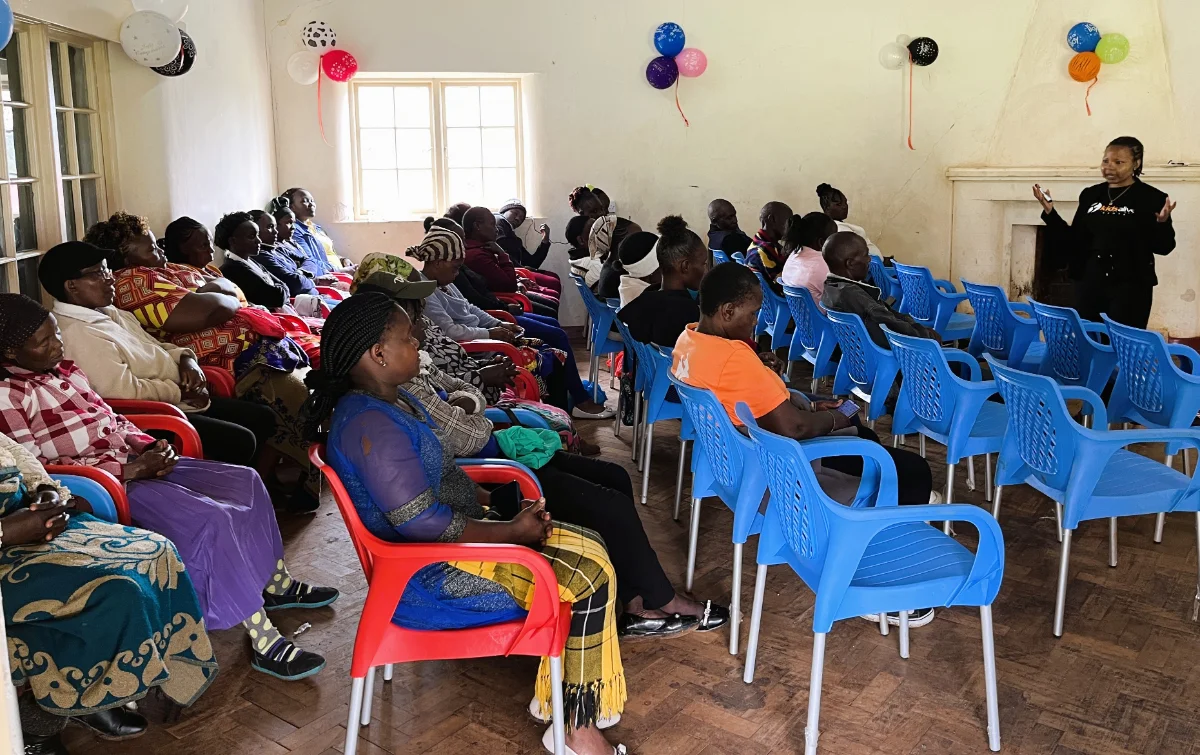

Through our Restorative Education programs, we champion every child’s right not just to attend school, but to catch up, heal, and thrive there. Many of the children we serve arrive years behind – some because of missed years, others because of an undiagnosed learning disability that was never addressed – so our first commitment is special education and remedial tutoring that helps each child catch up to where they should be, not just where trauma left them. We also partner with public schools, training teachers in trauma-responsive care and child safety so every classroom a child enters is one where they are seen and protected. Melding faith-based and evidence-based practices, we teach skills that matter beyond the textbook, helping every child know who they are and how to respond to life’s challenges.
Our Protective Care programs offer safe, supportive, and stable environments for children who cannot live with their families – always temporary by design, with a permanent family as the goal. Care may take the form of group homes, foster families, reunification, or, when no other path to family is possible, guardianships and local adoption. Our trauma-trained caregivers create the loving bonds of healing a child needs to recover, because children cannot be told they are safe – they must feel safe. Alongside physical, medical, emotional, spiritual, legal, and educational care, we advocate for stronger child protection systems so every child’s time in temporary care leads somewhere permanent.
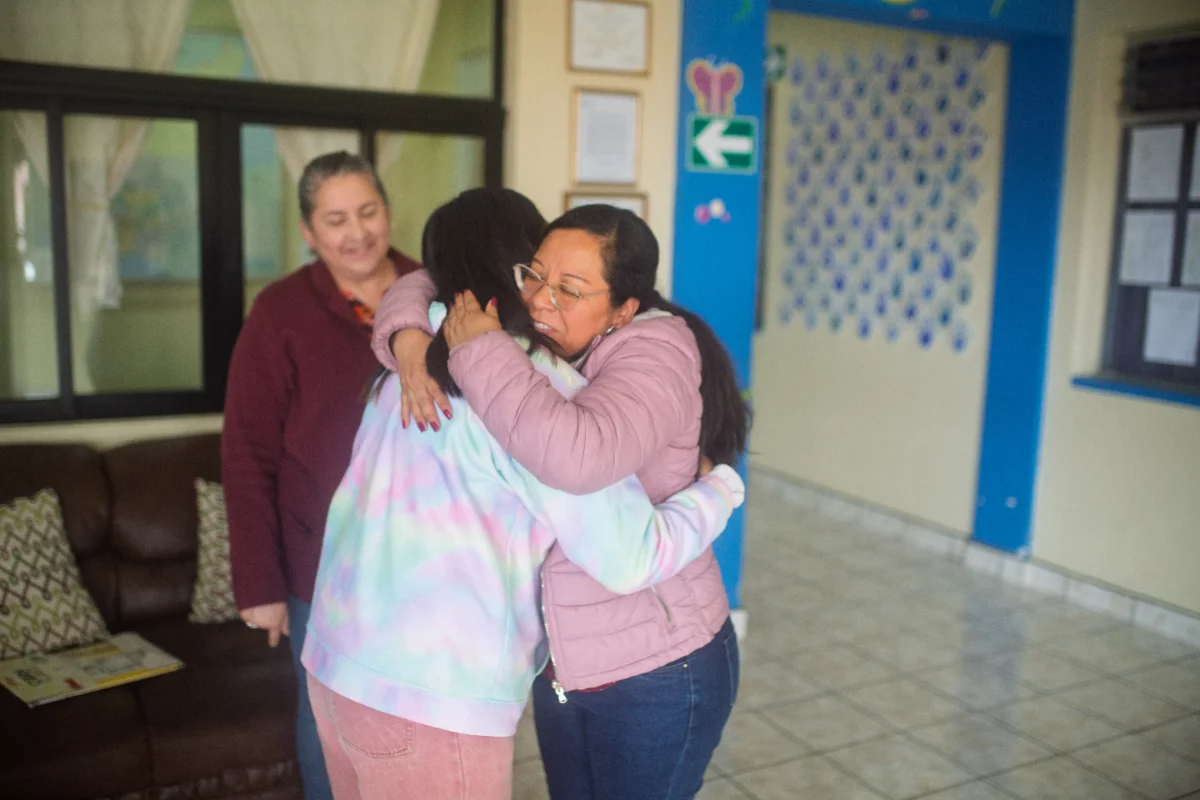
Through our Justice Advocacy programs, we accompany victims of abuse on a path of justice that heals – legal services, therapy, social services, and discipleship, walked alongside a trauma-informed team of psychologists, lawyers, and social workers. We fight for the rights of individual children in court, and we fight to reform the systems meant to protect them: child-friendly courtrooms, video testimony rooms that spare a child from facing their abuser, and first responders trained to respond when a child speaks up. Our goal is not only to lead victims to healing, but to reform systems into true forums of justice (Amos 5:15) – so that every child, not just those in our care, is treated in a way that heals rather than revictimizes.