At Kids Alive, our team comes together to lay the foundation for justice and healing from trauma such as sexual violence, abuse, and neglect faced by vulnerable children, families, and communities.
When you're talking about messy ministry, our tendency is to back off. It hurts and we often don’t feel like we have an answer for it. “I think that's part of why I jumped into Kids Alive. Like, here's an answer. Here is a way,” Jason Miller, Chairman of the Board, shares.
"We're creating a chain of hope and a chain of healing, and at the center of it all, it’s the love of God," expresses Paula Gonzalez, Special Assistant to the President.
They're not just teaching them math and science in the classroom, but they're listening to the trauma they went through. They're helping them understand about life skills and making good decisions, and all the things that you need to grow and develop and nurture to become independent.
"They see how our staff, as Christians, are being the hands and feet of Jesus. They are seeing the kindness that is made available to them. They're saying that this must mean something," shares Rachel Davidson, Chief Operating Officer.
“Trauma that is not transformed will be transferred.” - Shane Scott, Board Member
Through these Hope Centers, we're looking to reach out beyond just the victims to those who are part of the community and create something that's different—something that is a movement towards justice that is healing, creating bonds in those families that mend and bring them back together.
Brad Lenardson, Chief Resource Officer, explains, "When you talk about a residential facility exclusively for victims who have been exposed to sexual violence, and you consider the fact that we have a population ranging from 4 to 17 years old, no one else is doing this."
"It’s super exciting to see how governments are recognizing the absolute excellence of our staff and the methods and approaches we're using for kids who have suffered trauma and who have suffered violence, and are witnessing their recovery. That's happening in Lebanon, Kenya, Zambia, Dominican Republic, Guatemala, and Peru. And we're looking forward to it happening in Haiti when that country becomes more stable," says Corbey Dukes, Chief Executive Officer.
With the infrastructure we've built and the teams we have in place, we have the opportunity to expand our impact from thousands to tens of thousands in a very short period of time.
“I would love to see us have even more impact than we're having now because we know that there are even more children waiting to be served,” expresses Jennifer Lucas, Chief Human Resources Officer.
Our goal is to really address the trauma, not just provide clothing, shelter, or food, which are all important, but if we don't address some of the root causes, they won't be able to truly heal.
Kids Alive empowers abused, neglected, and vulnerable children in some of the hardest places. Join us in creating thriving families and communities by giving hope to children through restorative education, family strengthening, protective care, and justice advocacy. It's hard, but it's worth it.
We invite you to witness the impact in the locations around the world Kids Alive serves, including the Dominican Republic, Guatemala, Haiti, Kenya, Lebanon, Peru, and Zambia. You can capture the unique journeys of each Kids Alive site here.
Escuintla, Guatemala — October 2026 — For a child who has survived abuse, the justice system can become a second wound: retelling the worst moment of their life, sometimes in the same room as the person who caused it. Today, we're working with two specialized courts in Guatemala to change that.
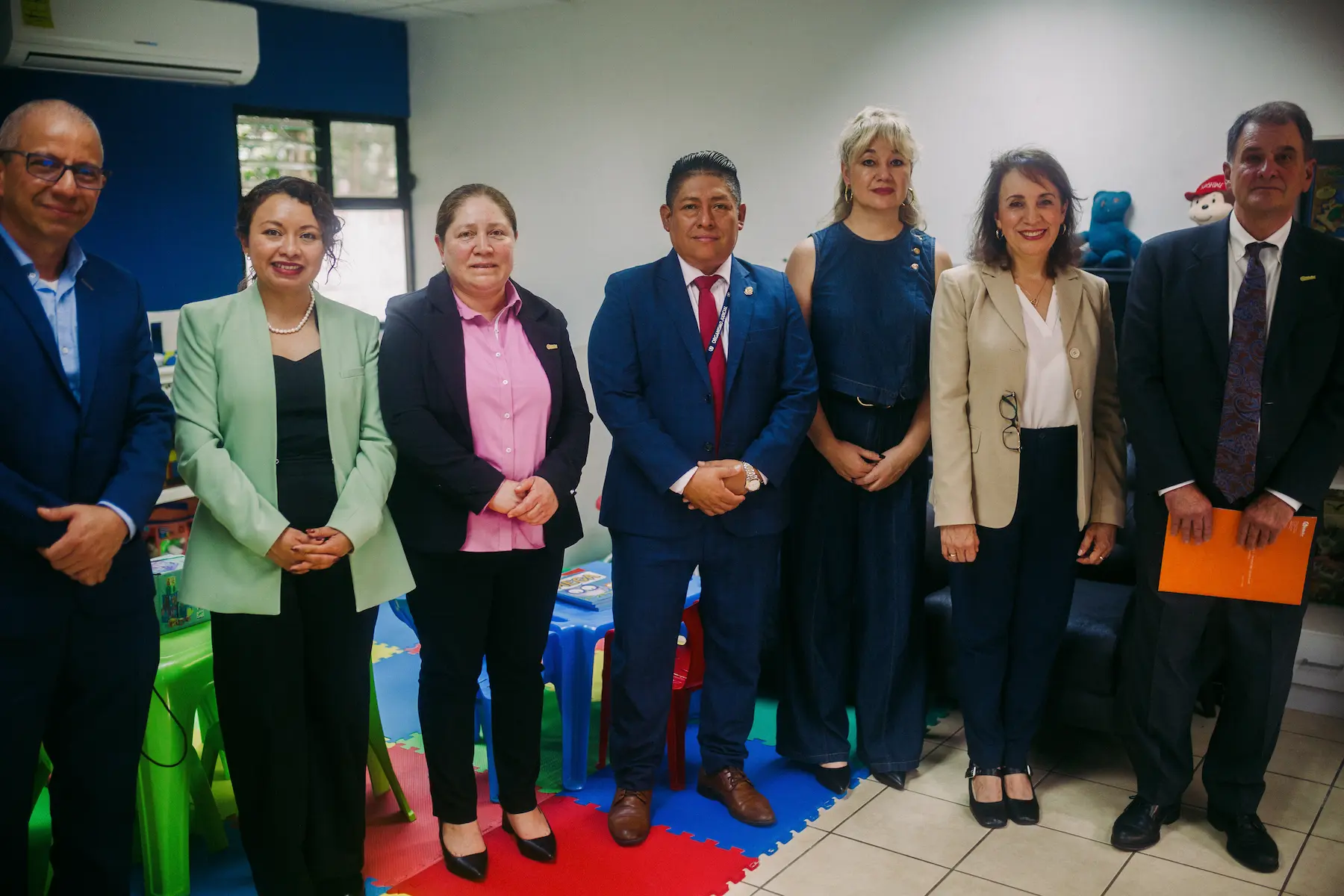
Corbey Dukes, President and CEO of Kids Alive, gratefully received an award from the Supreme Court of Guatemala, a formal recognition of the work being done by Kids Alive Guatemala (Vida Para Niños) to advocate for the rights and dignity of children navigating the justice system.
We're glad to be partnering with Guatemala’s Supreme Court of Justice to transform the Courts for Children and Adolescents in Escuintla, creating spaces designed to protect kids from being re-traumatized as they pursue justice.
The project includes private, soundproofed testimony rooms, renovated courtrooms, quiet waiting areas, and training led by experienced judges.
Spaces Designed for Children
Every improvement serves one goal: helping a child be heard safely. Camera systems in isolated, quiet rooms allow children to give their testimonies in a safe place.
At the Escuintla Departmental Complex, efforts include:
A renovated covered walkway connecting the Court for Children and Adolescents, the Court for Crimes of Femicide, and the recreational area both courts share.
The closed-circuit camera system for the testimony rooms.
Technology and air-conditioning equipment.
In Santa Lucía Cotzumalguapa:
Soundproofing and acoustic panels for the victim interview area.
Air-conditioning units, fresh paint, and window tinting.
A renovated garden area that now serves as a calming waiting space.
A Formal Partnership for Justice
A Letter of Understanding has been established between the Judicial Branch of the Republic of Guatemala and Kids Alive Guatemala, a shared commitment to strengthen justice for children and adolescents. Beyond the physical improvements, the collaboration includes training sessions led by judges with extensive experience in child protection cases.
Justice Estuardo Adolfo Cárdenas, Fifth Justice of the Supreme Court of Justice, explained that the project grew out of active listening and monitoring inside the courts, which identified specific needs in infrastructure, equipment, and the adaptation of judicial spaces.
“Strengthening the administration of justice requires accurately identifying the needs of judicial bodies and seeking practical, concrete responses to improve the conditions under which these services are provided,” Justice Cárdenas said.
Celebrating a Shared Commitment
Justice Flor de María Gálvez Barrios, Seventh Justice of the Supreme Court of Justice and a driving force behind the initiative, presided over the ceremonies.
“Today, we are gathered for something more than the inauguration or delivery of improvements to a physical space,” Justice Gálvez Barrios said. “We are gathered for something with much deeper meaning: the coming together of shared efforts to strengthen the care and protection of our children and adolescents.”
She also thanked Kids Alive Guatemala for their valuable support of the Judicial Branch.
Kids Alive was represented by Corbey Dukes, President and CEO of Kids Alive International, and Rosalva Alvarado Medina, Country Director of Kids Alive Guatemala. They were joined by members of the Escuintla Court of Appeals, led by President Amadeo de Jesús Guerra Chacón; officials from the Judicial Branch’s Secretariat for the Protection of Children and Adolescents; Dr. Julio Armando Paz Espinoza, Mayor of Santa Lucía Cotzumalguapa; Byron Ranulfo Rustrian Amado, Mayor of Palín; and judges from Escuintla’s specialized courts for children and for crimes of femicide and violence against women.
Staying for Every Child
Kids Alive is grateful for champions like Justice Gálvez Barrios, Justice Cárdenas, and Guatemala’s Supreme Court of Justice, and for the Kids Alive Guatemala team, who show up for these children every single day.
Because a child should never have to choose between staying silent and staying safe. Join us and stay for every child.
About Kids Alive International
Kids Alive International is a global non-profit dedicated to protecting children, strengthening families, and advocating for justice. With a presence in seven countries, Kids Alive provides holistic care that addresses not only immediate needs like safety, education, and health, but also the deeper wounds of trauma and sexual abuse.
In Guatemala, the ministry operates under the name Vida Para Niños and is recognized for its leadership in trauma-informed care, restorative justice, and advocacy for children who have suffered sexual abuse or other forms of violence. Through safe homes, foster family programs, counseling, and legal accompaniment, Kids Alive ensures that children are not revictimized by the systems meant to protect them.
The organization is committed to advancing systemic change by working with courts, governments, and local partners to embed “Justice that Heals” into legal processes. This includes creating safe spaces within court systems, training judicial personnel in child-sensitive practices, and walking with families as they pursue reconciliation and restoration.
Every child deserves to be seen, heard, and treated with dignity. Kids Alive International is devoted to making that a reality, combining compassionate care with courageous advocacy to defend the most vulnerable and restore hope for future generations.
Inspired to be part of this movement for justice that heals? Learn more and explore ways to get involved at www.kidsalive.org/ways-to-give.
For media inquiries, interviews, or more information about news stories like this one, please contact us at news@kidsalive.org.
Kids Alive Hosts Beverly Hills Panel Featuring Jordyn Wieber, Mattie Larson, Coach Val, and Attorney John Manly
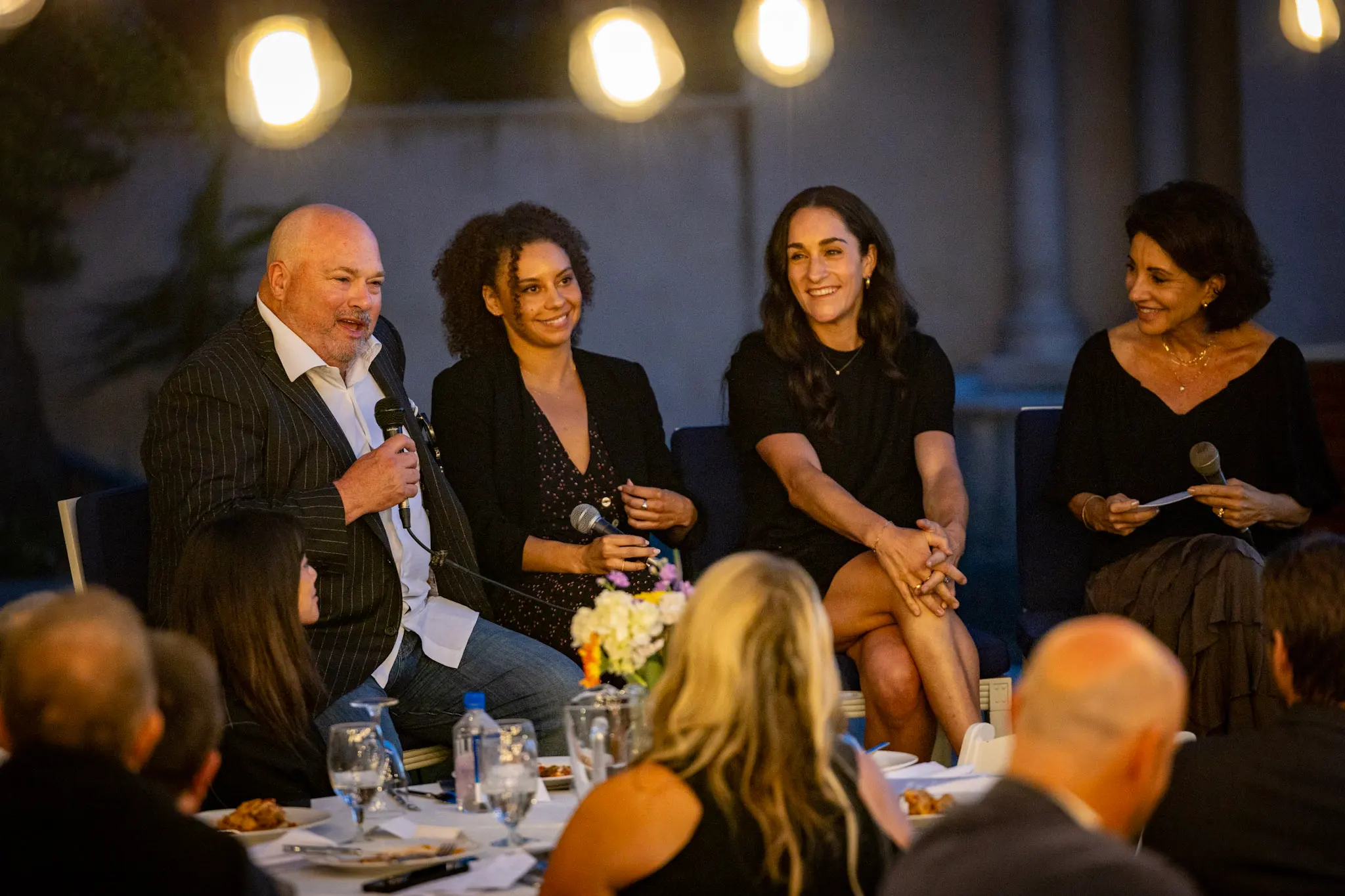
(Left to right) Attorney John Manly, World Cup Gold Medalist Mattie Larson, Olympic Gold Medalist Jordyn Wieber, and UCLA Gymnastics coach Valorie Kondos Field.
Beverly Hills, CA (June 11, 2026) - Kids Alive hosted a private gathering in Beverly Hills, bringing together survivors, advocates, and community leaders for an evening of honest conversation about healing, justice, and the power of being believed.
The discussion featured Olympic Gold Medalist Jordyn Wieber, World Cup Gold Medalist Mattie Larson, legendary UCLA Gymnastics coach Valorie Kondos Field, and attorney John Manly, who represented both Wieber and Larson in the Larry Nassar case. Together, they shared personal reflections on the abuse they experienced, the people who stood beside them, and the role justice played in their healing journeys.
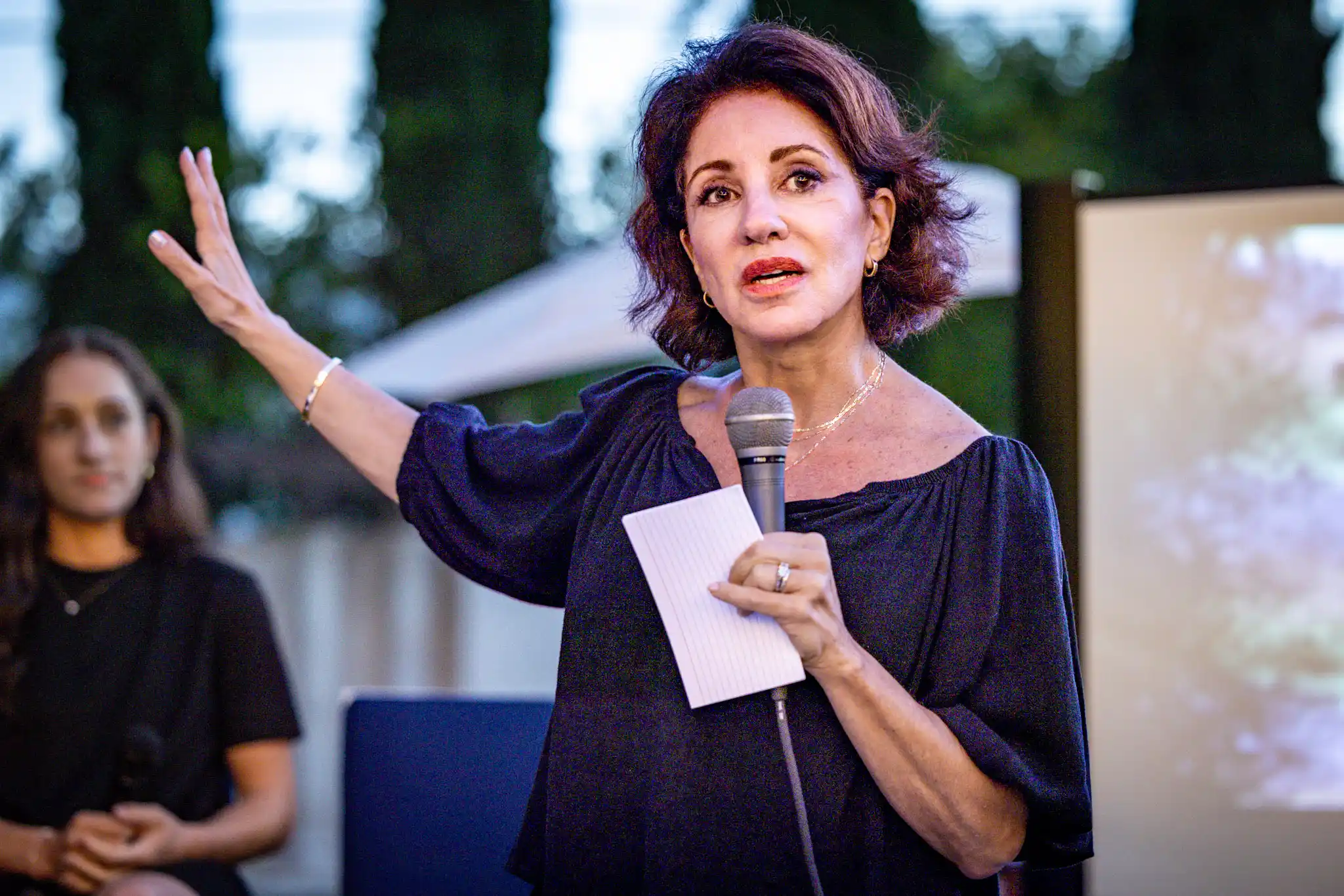
Throughout the evening, Coach Val guided the conversation with compassion and candor. John Manly highlighted the influence she had on many of the athletes who eventually came forward, noting that several of the first gymnasts to speak publicly about Nassar were UCLA Bruins who had trained under her leadership.
Coach Val’s impact extended far beyond athletics. She created an environment where young women felt valued, supported, and safe. Long before courtrooms and headlines, she helped build the foundation of trust and confidence that would later empower many athletes to find their voices.
Reflecting on the connection between her work with athletes and the mission of Kids Alive, Kondos Field shared:
“As the head coach of the UCLA Gymnastics team for 29 years, I led the charge in building a championship culture rooted not in winning, but in helping young people discover their worth, find their voice, and thrive beyond adversity. I have witnessed that same commitment at Kids Alive International, where children who have experienced abuse are given safety, stability, and belonging; the foundation that empowers them to heal, discover their self-worth, and reclaim their future.” - Coach Valorie Kondos Field
Her perspective reinforced one of the evening’s central themes: healing begins when people are given the safety, support, and encouragement to recognize their value and believe that their future can be different from their past.
Both Wieber and Larson reflected on the importance of the people who walked alongside them throughout their healing journeys. They spoke about the influence of advocates such as John Manly, Judge Rosemarie Aquilina, Coach Val, and others who believed them, supported them, and helped them navigate an incredibly difficult chapter of their lives.
For both women, speaking out was not only about their own experiences. It was about helping ensure that future generations of young athletes would not have to endure the same harm. The pursuit of justice became part of the healing process itself.
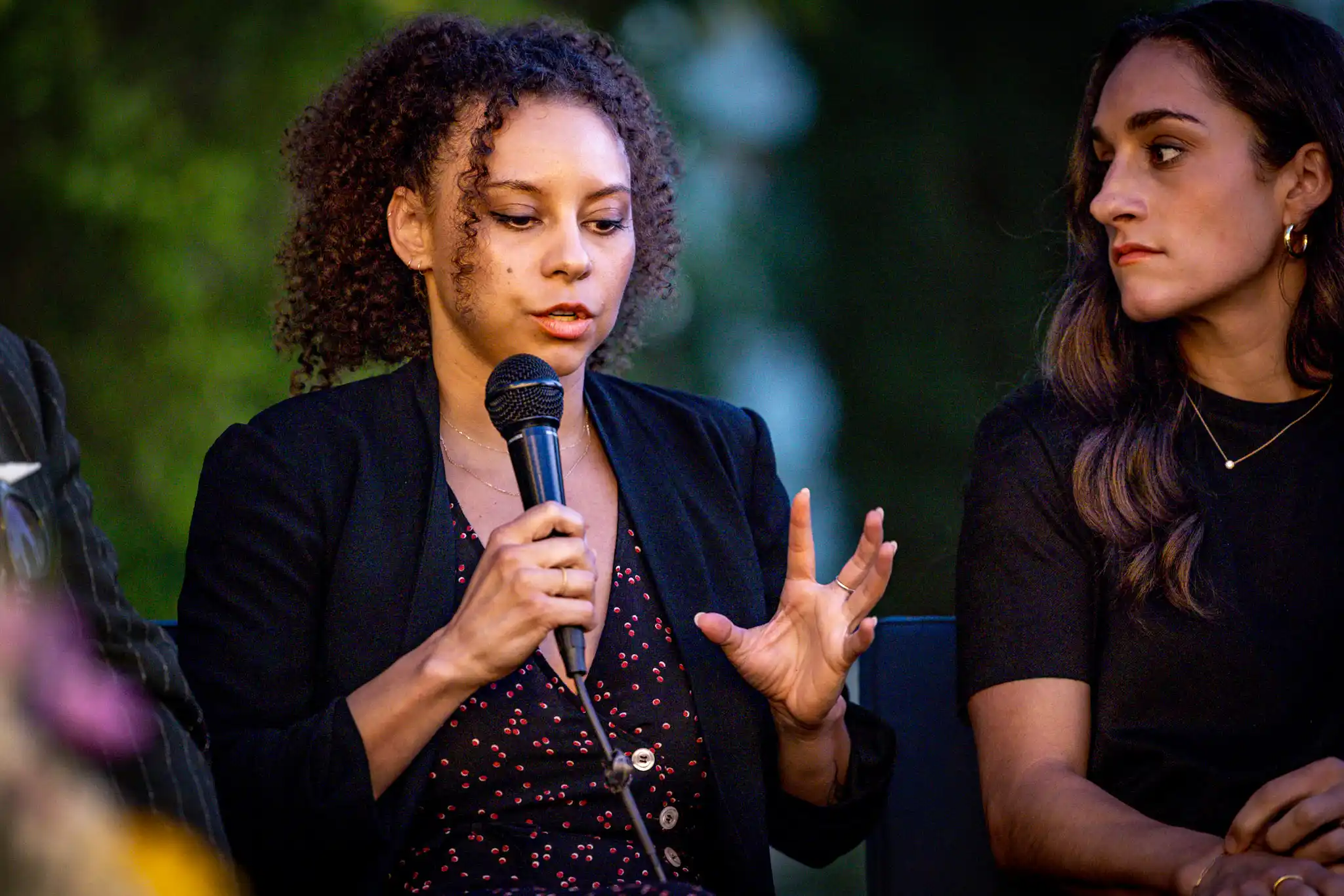
Wieber shared that one of the most significant moments in her journey was standing in court and confronting her abuser. Reflecting on that experience, she declared,
“Even though I am a victim, I do not and will not live my life as one. I am an Olympian.”
Larson spoke candidly about the impact of finally feeling believed. While she knew she was surrounded by caring people throughout parts of her journey, she described working with Manly as one of the first times she truly felt safe. His willingness to listen, believe her, and advocate on her behalf became a meaningful part of her healing process.
Their stories underscored a reality that remains true for countless children around the world: healing is often connected to whether a child is believed, protected, and able to access justice.
That reality is central to the work of Kids Alive.
Across the countries where Kids Alive serves, children and families often face significant barriers to safety, support, and legal protection. Through legal advocacy, trauma-responsive care, professional training, and partnerships with justice systems, Kids Alive works to help children experience not only immediate protection, but also lasting healing and accountability.
The evening highlighted not only the importance of individual advocates, but also the importance of building systems that respond to children with dignity, compassion, and justice. It reflected a shared belief among the panelists that healing requires more than removing harm. It requires creating environments where children are seen, heard, protected, and supported as they move forward.
While each speaker’s story was unique, a common theme emerged throughout the evening: healing rarely happens in isolation. It requires people willing to listen, advocate, and stand alongside those who have experienced profound hardship.
For Kids Alive, the conversation reflected a growing commitment to strengthening child-centered and trauma-responsive systems around the world so that more children can experience safety, healing, and justice.
Events like this gathering create opportunities for important conversations, helping bring greater awareness to the challenges survivors face and the collective responsibility we share in building a safer future for children everywhere.
About Kids Alive International
Kids Alive International is a global nonprofit dedicated to transforming trauma into triumph for children who have experienced abuse, neglect, and injustice.
Working across six countries—Guatemala, Peru, Haiti, Lebanon, Zambia, and Kenya—Kids Alive partners with local communities, governments, and leaders to create environments where children are protected, their voices are heard, and healing can begin.
Through an integrated approach, Kids Alive helps restore bonds that mend, strengthens access to justice that heals, and equips children with skills that matter for a stronger future. From the moment a child is identified as vulnerable to the long-term process of healing and growth, the focus remains the same: ensuring each child is safe, valued, and equipped to move forward with dignity and hope.
At the heart of this work is a belief that every child is created with inherent dignity and worth, and that when justice is pursued with care and compassion, restoration is possible.
Kids Alive Peru Leads Inter-Institutional Forum to Advance Child-Centered Justice in Manchay
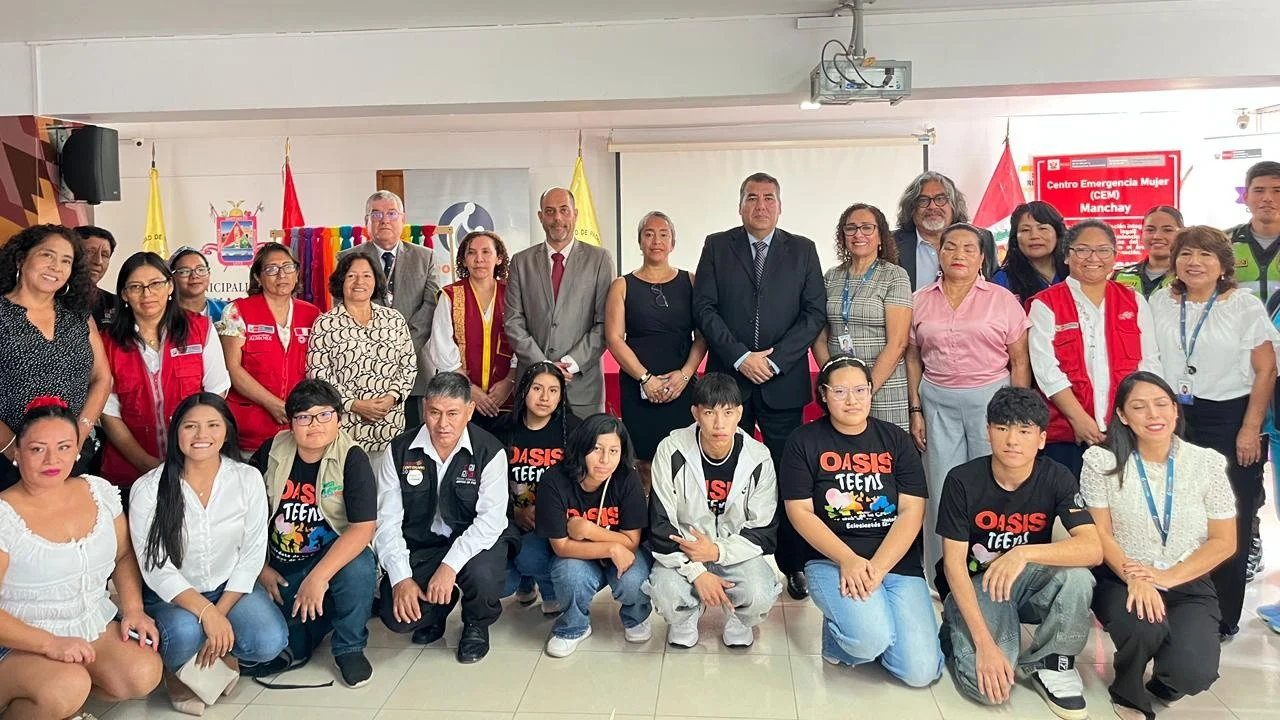
LIMA, Peru (April 2026) — Kids Alive Peru joined with World Vision Peru and the Manchay Women’s Emergency Center (CEM) to convene the Inter-Institutional Forum on Non-Re-victimization in Manchay, bringing together municipal leaders, justice officials, protection operators, and civil society organizations to address barriers children and teens face in accessing justice after experiences of violence.
The Forum focused on strengthening child-centered and trauma-informed responses within Peru’s protection and justice systems while advancing concrete solutions to reduce re-victimization during legal processes.
Among the key outcomes of the Forum were commitments to advocate for the installation of a Video Testimonial Room (Gesell Chamber) in Manchay, strengthen existing testimonial rooms in other regions through collaboration with Peru’s Institute of Legal Medicine, and pursue discussions with national prosecutors regarding the creation of a Specialized Prosecutor’s Office in the community.
Currently, children and families in Manchay must travel approximately 25 kilometers to access a Single Interview process, often waiting up to three months for appointments. Leaders at the Forum emphasized how distance, cost, and delays can create additional obstacles for children already navigating trauma.
“The Forum is not just another event. It is the beginning of real commitments,” said Marlene Arroyo Mestanza, Executive Director of Kids Alive Peru. “A girl living here should not have to wait months and travel across the city just to be heard with dignity. We are committed to bringing justice closer to children and ensuring that when support arrives, it promotes healing rather than causing further harm.”
The collaboration between Kids Alive Peru, World Vision Peru, and the Manchay CEM combines frontline community insight, technical research, and institutional advocacy to help strengthen coordinated responses for children and teens. Forum organizers noted that this unified approach helps bridge the gap between community needs and national-level decision-making.
The Forum also supports Kids Alive Peru’s 2030 Theory of Change, which seeks to ensure that children and teens impacted by violence can live safely, with dignity and hope through strengthened children, protective families, and strengthened protection operators and systems.
Immediate next steps following the Forum include follow-up with municipal leaders regarding the proposed Video Testimony (Gesell Chamber) space, formalization of agreements with the Institute of Legal Medicine, and meetings with national prosecutors supported by technical and statistical evidence gathered through the partnership.
About Kids Alive International
Kids Alive International is a global nonprofit dedicated to transforming trauma into triumph for children who have experienced abuse, neglect, and injustice.
Working across six countries—Guatemala, Peru, Haiti, Lebanon, Zambia, and Kenya—Kids Alive partners with local communities, governments, and leaders to create environments where children are protected, their voices are heard, and healing can begin.
Through an integrated approach, Kids Alive helps restore bonds that mend, strengthens access to justice that heals, and equips children with skills that matter for a stronger future. From the moment a child is identified as vulnerable to the long-term process of healing and growth, the focus remains the same: ensuring each child is safe, valued, and equipped to move forward with dignity and hope.
At the heart of this work is a belief that every child is created with inherent dignity and worth, and that when justice is pursued with care and compassion, restoration is possible.


.jpg)
.jpg)
.jpg)
.jpg)



.webp)
.webp)
.webp)
.webp)