When Ruth, the Education Coordinator for Kids Alive Guatemala, meets a girl who has recently arrived at Oasis, she often asks a simple question within the first few days: Do you want to go to school?
Every girl had always said yes—until Sofía.*
Sofía was 14 years old when she arrived at Oasis, Kids Alive Guatemala’s residential care campus for girls who have experienced sexual abuse and trauma. When Ruth asked if she wanted to go to school, Sofía answered clearly: “No.” She meant it. School was not something she had known, experienced, or even understood as part of daily life.
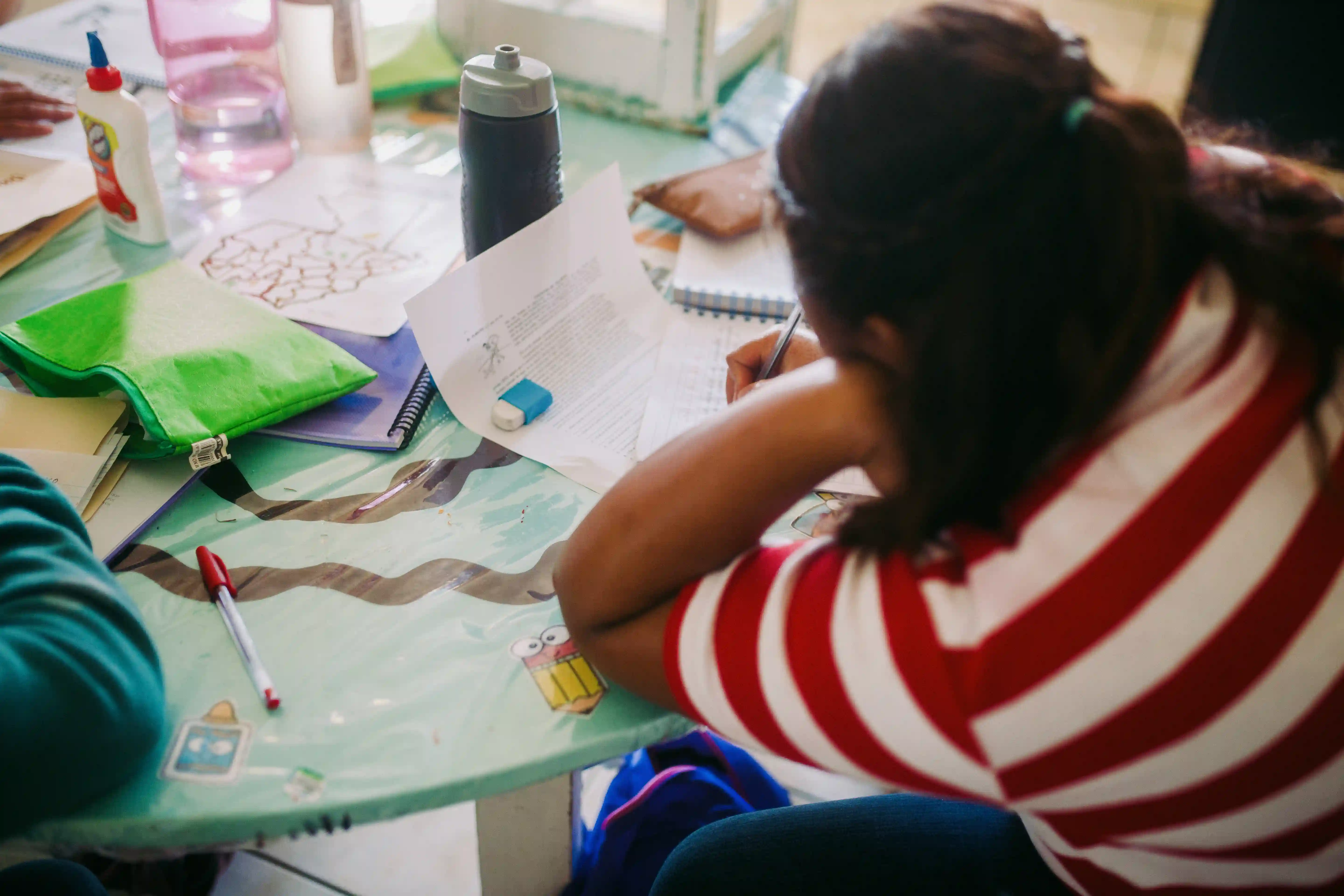
Before Oasis, Sofía’s world had been shaped by fields and farming. The words she knew were connected to agricultural work—tools, planting, harvesting, and the rhythms of labor. She had never held a pencil. She did not know what a teacher was. She did not know schools existed near her. When the team gave her a backpack, she looked at it with confusion and asked what it was even for. A notebook was unfamiliar. A classroom was unfamiliar. "Learning," in the way many children experience it from an early age, was a completely new concept.
So when Sofía said she did not want to go to school, the Kids Alive Guatemala team understood that her answer was not defiance. It was fear of something she did not yet understand.
At Oasis, healing is not rushed. Girls receive safe housing, counseling, spiritual care, education support, and consistent relationships with adults who understand that each child’s story is unique. For some girls, restoration begins with therapy. For others, it begins with learning to trust a caregiver, sleep peacefully, participate in devotions, or believe they are safe.
For Sofía, one important part of restoration began with a pencil.
Ruth wrote a report to the court recommending that Sofía attend preschool as an observer. There would be no grades, no formal enrollment, and no pressure to perform. The goal was not to force her into a system she did not understand or expect her to catch up overnight. The goal was to give Sofía enough time, safety, and support to discover what school was—and to decide, on her own terms, whether learning could become part of her life.
At first, even simple worksheets felt overwhelming. Sofía often answered, “I don’t know,” before trying. When she began classes, she would freeze and cry. Again and again, she said, “I’m not going to be able to do this.”
Those words—I can’t—were not unfamiliar to Ruth. She hears them often from girls who arrive at Oasis carrying fear, trauma, and the belief that they are not capable. Sitting with those words is difficult. But at Oasis, staff do not see “I can’t” as the end of the story. They see it as the place where patient love begins.
Sofía’s teacher, Saraí, did not begin by pushing curriculum. She began by building a relationship. She connected with Sofía, earned her trust, and stayed steady through the tears, frustration, and fear. When Sofía froze, Saraí did not shame her. When Sofía wanted to give up, Saraí continued encouraging her. Slowly, the classroom became less frightening. The place that once felt overwhelming began to feel familiar, safe, and even joyful.
At one point, Saraí told her,
“I can believe in you as much as I want—but if you don’t believe in yourself, you’re never going to read.”
For Sofía, something began to shift. She started asking to stay after class, not because anyone required it, but because she wanted to be there. She helped Saraí decorate the classroom. She spent more time in the space that had once intimidated her. What had first seemed foreign slowly became a place where she could belong.
The classroom became more than a place where Sofía was learning letters and sounds. It became a place where she was learning that she was capable.
Scripture reminds us,
“For we are his workmanship, created in Christ Jesus for good works, which God prepared beforehand, that we should walk in them.” (Ephesians 2:10)
Sofía finished her informal academic year in 2025. Then, at the beginning of 2026, she formally enrolled in school at Oasis and began working through four learning modules. Each day, she now practices reading for 15 minutes. She still gets frustrated sometimes because learning something new after so many years without school is not easy. But now, frustration no longer has the final word.
Recently, Sofía and Saraí walked into Ruth’s office together and told her they wanted to show her something. Sofía held a small early reader book, opened it, and announced,
“I’m going to read to you.”
And then she read.
For Ruth, the moment carried the weight of everything that had come before—the first “no,” the confusion over a backpack, the tears over worksheets, the repeated “I can’t,” and the patient care of a teacher who stayed long enough for Sofía to begin believing something different.
Afterward, Ruth asked her,
“Do you remember when you didn’t want to come to school?” Sofía answered simply: “I didn’t know what a school was.”
Sofía hadn't rejected education because she lacked potential. She had never been given the chance to know what learning could be. Now, she was standing in an office with a book in her hands, reading out loud.
Today, Sofía is passing her classes and continuing to grow in confidence. Her story is still unfolding: She is still learning and moments of frustration. But she is no longer only saying, “I can’t” or “I don’t know how.” Now, she is beginning to say, “I can" and even, “Let me show you that I can read now.”
This is the power of restorative education.
It creates space for a child to be known, supported, and encouraged until confidence begins to grow. At Oasis, girls like Sofía are not rushed through healing or learning. They are patiently accompanied by teachers, caregivers, counselors, and mentors who believe their lives are filled with God-given worth and possibility.
For Sofía, a pencil became more than a school supply. A classroom became more than a place to study. A book became more than words on a page. It became proof that she could learn—and a glimpse of the future God has placed before her.
Become a Student Champion
Children like Sofía need safe classrooms, patient teachers, and steady support as they discover their ability to learn and grow. Your support helps provide education, mentoring, spiritual discipleship, and caring relationships that help children build confidence, discover their gifts, and step into the future God has prepared for them.
Your support makes that possible. Become a Student Champion help children experience the encouragement, opportunity, and hope every child deserves.
Angel* is a 9-year-old girl in Kenya whose early years were marked by profound loss and instability. She was abandoned by her mother at just 3 years old and later cared for by her grandmother until her passing from cancer. After losing both caregivers, Angel was sent to a new home where she faced extreme neglect and recurring abuse. Without consistent protection, she felt unsafe and unsure of her place in the world. These traumatic experiences led to panic attacks, recurring nightmares, and difficulty concentrating in school.
Everything began to change when Angel courageously spoke up about the abuse she had quietly been enduring. She reported the abuse to a trusted family member, and authorities intervened, removing her from the unsafe environment and referring her into the care of Kids Alive Kenya. What had been hidden in silence was brought into the light, and her voice became the turning point that set her on a new path toward safety and healing.
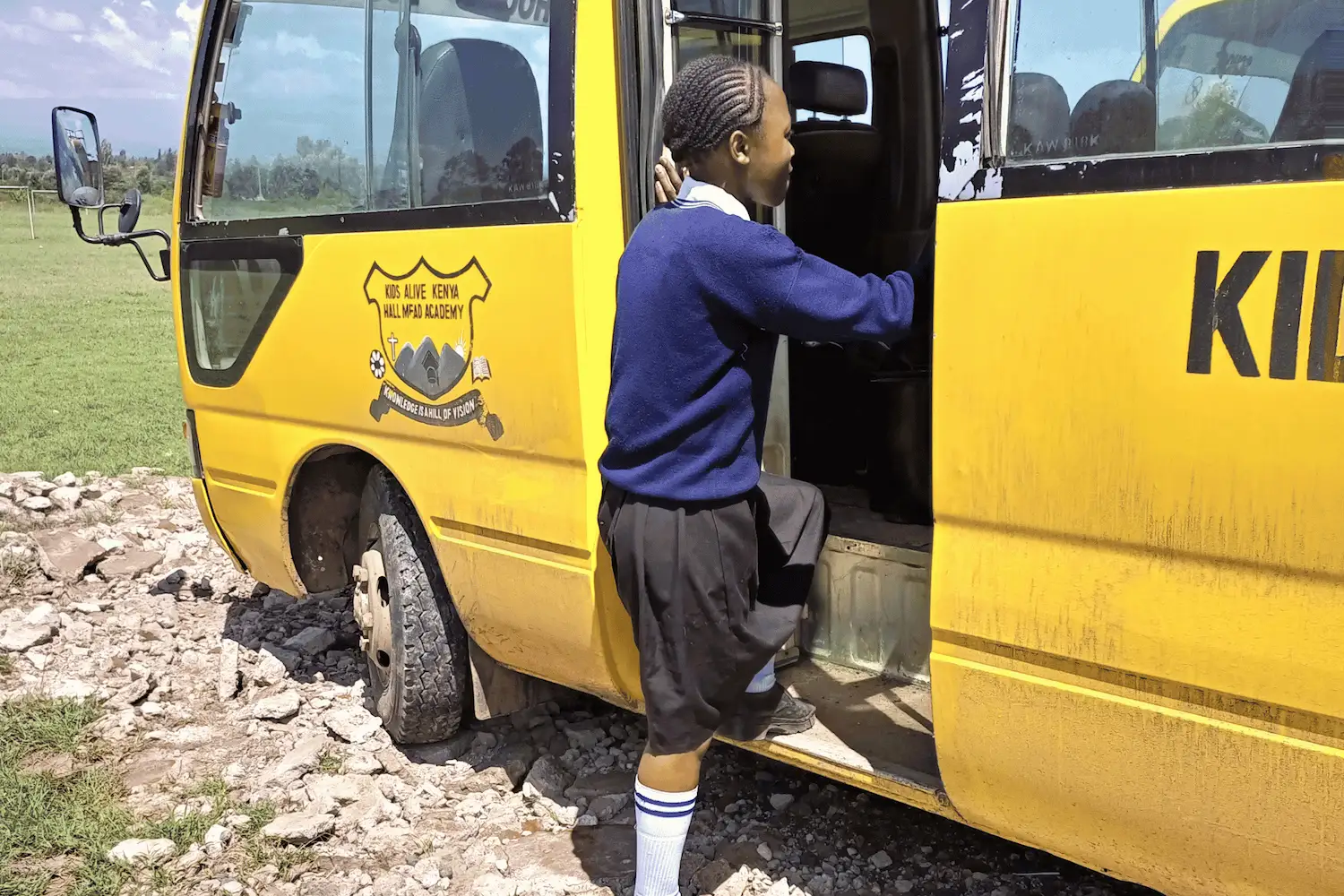
After arriving at Hall Mead School, Angel was welcomed into a safe, stable environment where her healing could begin. Through trauma-informed care, counseling, and consistent emotional support, she was given space to process what she had experienced and begin rebuilding her sense of safety and trust. The structure, relationships, and steady care around her helped address the panic, fear, and instability she had been carrying. At the same time, the Kids Alive team walked alongside her in the pursuit of justice—advocating for her legal case and ensuring she was supported every step of the way.
Over time, something began to shift. As Angel experienced safety and consistency, the effects of her trauma began to lessen. The panic and fear that once shaped her daily life gave way to growing confidence and connection. Where she once struggled to concentrate, she began to engage more fully. Where she once felt unsafe, she began to trust. Healing did not happen overnight, but through steady care, her sense of identity, belonging, and hope began to take root.
As her case moved forward, her perpetrator was arrested—an important step that affirmed her safety and dignity. Justice, in this moment, was not only about accountability, but about reinforcing that her voice mattered and that what happened to her was seen and taken seriously.
Today, Angel’s teachers describe her as “full of life and hope.”
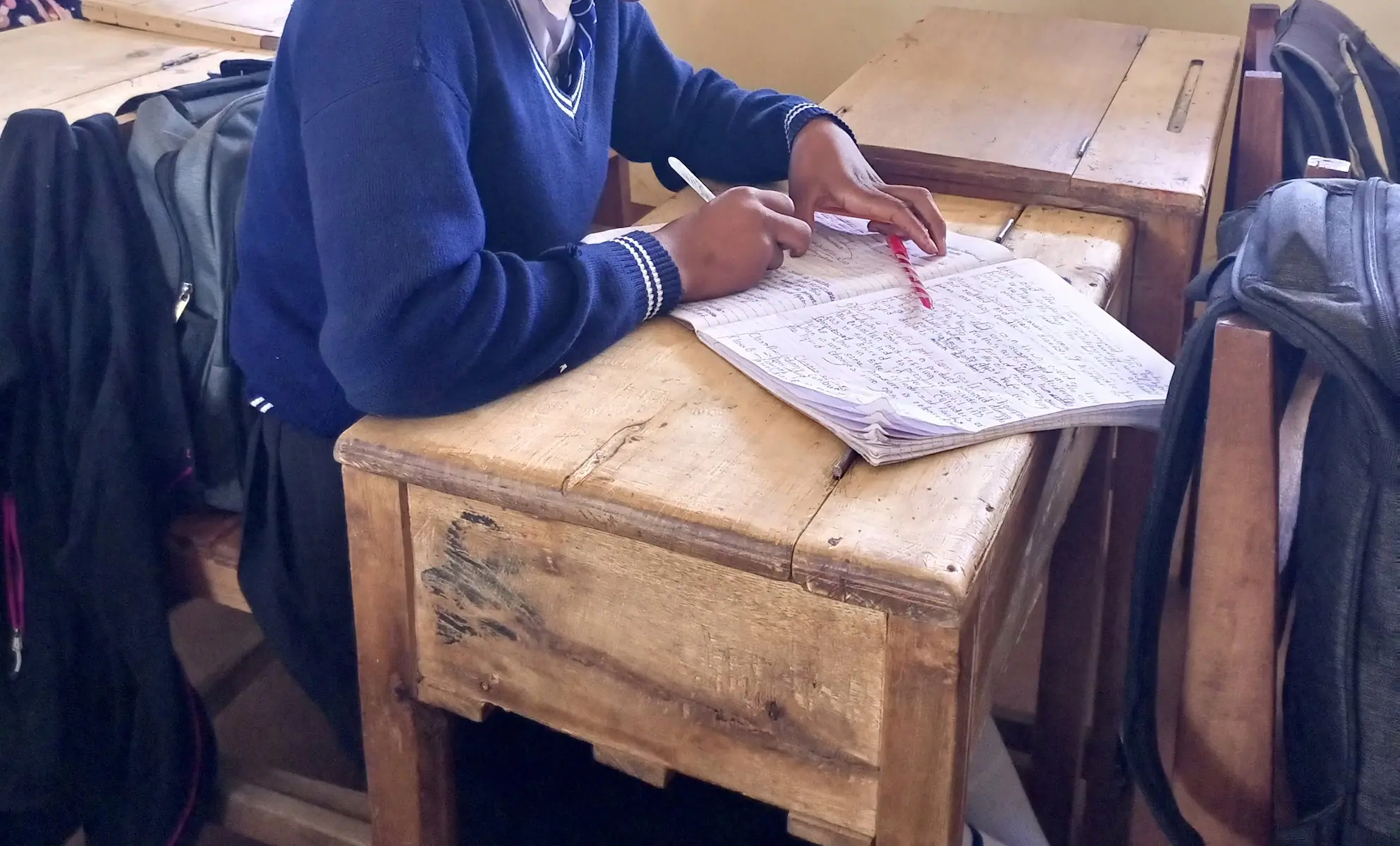
She is a joyful and confident student who actively participates in class and is achieving good grades. She enjoys sports, especially athletics and handball, and brings energy and laughter to her friendships. She also continues to deepen her faith, participating in devotions and even helping lead songs.
What began as a quiet act of courage is now becoming a life shaped by confidence, faith, and the truth that her voice matters as a child of God.
“I am powerful” means that I have power in Christ. God has given me the power to overcome my past, resist temptations, and live a life of abundance. As Scripture reminds us:
“I can do all things through him who strengthens me.” (Philippians 4:13)
Each day, Angel is discovering the strength God has placed within her as she continues to step into a future that is no longer marked by fear.
Become a Safe Haven Champion
Children like Angel need safe, consistent environments where their voices are heard and their healing is protected. Your support helps provide the care, advocacy, and relationships that allow children to move from fear into confidence—and into the truth that they are powerful.
Your support makes that possible. Become a Safe Haven Champion today to create spaces where children can be protected, supported, and equipped for the future that is alive in Christ.
Margarita* is a 10-year-old girl from Guatemala who deeply loves her family. When she was six years old, she was sexually assaulted by her father. Margarita and her mother courageously spoke up to the authorities, setting into motion a process that would protect her and begin to change the course of her life. She was referred to Kids Alive Guatemala’s Justice Center in Escuintla, where she began receiving support from a team that provided legal advocacy, emotional care, and guidance for the journey ahead to ensure her safety and path towards healing from the abuse.
In Escuintla, many children who experience abuse face overwhelming barriers when seeking help. Limited access to trauma-informed care, long and complex legal processes, and unsafe environments can leave children feeling unheard and unsupported. Without intervention, cycles of trauma will continue to get transferred. But Margarita’s story reflects what can happen when a child is not left to navigate that journey alone.
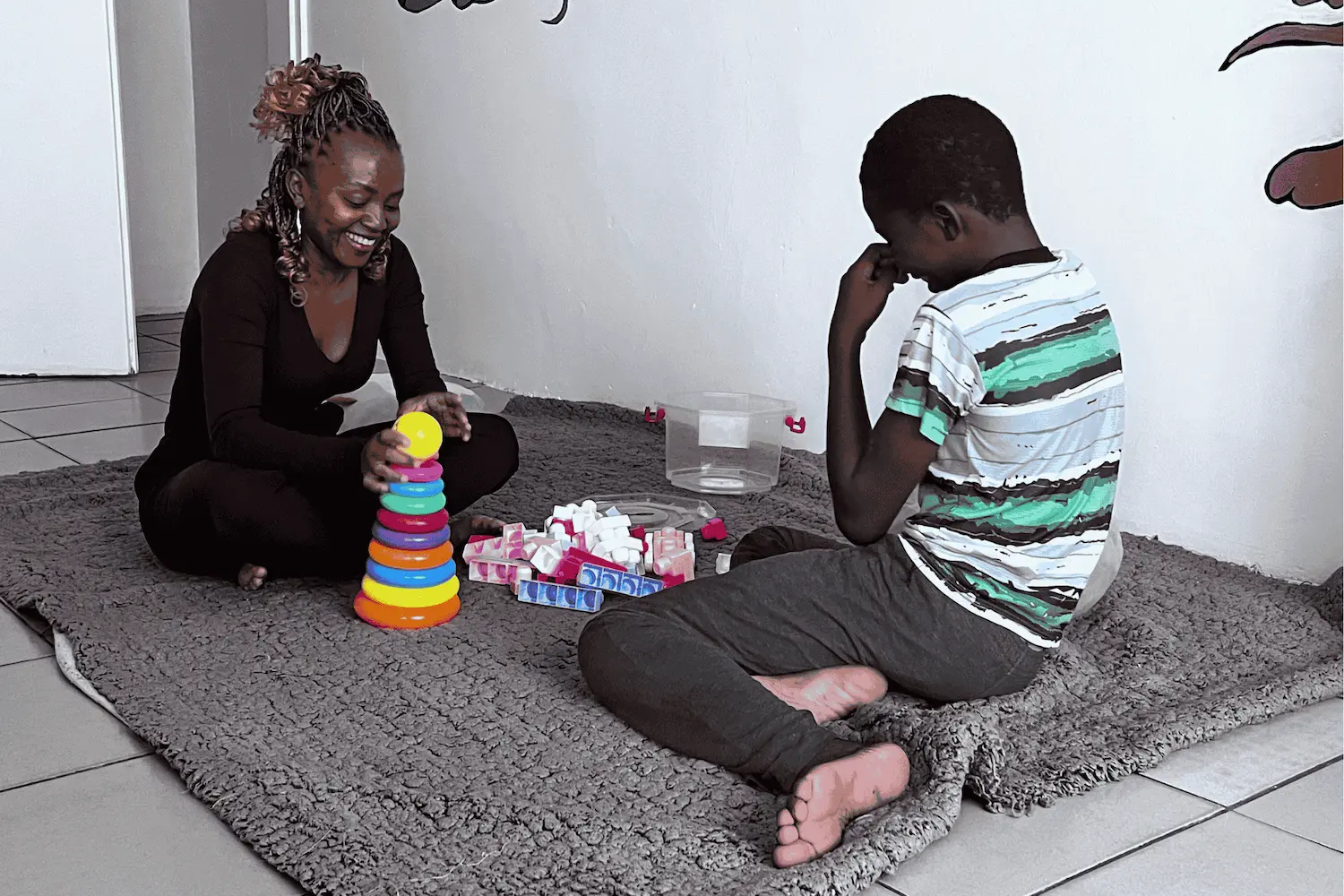
For her safety, Margarita was placed in a protected environment—a transition that, while necessary, brought moments of confusion and fear. At first, she struggled to trust those around her. When she first came into care, she had been separated from her mother into care with Kids Alive for protection while the case progressed and the aggressor remained at large. Because of this, she initially associated the people supporting her with that loss of connection. But through consistent care and patient support, she slowly began to feel safe again, and through therapy, she was given space to process what she had experienced and begin healing.
At the Escuintla Justice Center, Margarita was not only supported as an individual—her entire family was invited into the healing process. Through a multidisciplinary team of psychologists, social workers, and legal advocates, every step of her journey was guided with a child-centered, trauma-informed approach. This meant preparing her for legal proceedings in ways that protected her from further harm, while also ensuring she had the emotional tools and support needed to move forward.
Over time, her confidence grew. What once showed as withdrawal gradually gave way to a more joyful and expressive personality. Her mother also received counseling, helping her process the betrayal of her husband and the trauma to her family. She carried the pain of what her daughter endured, alongside the grief of broken trust and the weight of pursuing justice. The Kids Alive team walked closely with her, helping her navigate the legal process and equipping their home to become a stable, protected, and safe environment for the family’s healing journey.
This is the heart of the Justice Center model: It is not simply about pursuing legal outcomes—it is about restoring dignity and creating pathways for lasting healing. Children are seen, believed, and supported. Families are strengthened. And every part of the process—from therapy to court testimony to follow-up care—is designed to ensure that justice does not come at the cost of a child’s well-being, but instead contributes to their restoration.
When it came time to share her testimony, Margarita told her story with courage. With the support of her care team, she was able to speak clearly and confidently—an important step toward both justice and healing. Her voice, once silenced by fear, became the very tool that helped secure her protection.
In 2025, her case reached trial, and the aggressor was convicted and sentenced to 13 years in jail, allowing her to be reunited safely at home with her mother. Afterward, Margarita shared,
“I’m happy because the judge believed me.”
That moment reflects the truth at the center of this month’s message: when children are given the opportunity to speak—and when those around them respond with protection, care, and advocacy—their voice has the power to change their future. As Isaiah 1:17 (ESV) reminds us, “Learn to do good; seek justice, correct oppression…” This is what justice looks like when it is lived out in a way that restores safety and dignity.
Today, Margarita is back in school, learning and growing each day. What began with courage is now becoming a future marked by safety, restored relationships, and hope for new future together.
And as she continues to grow, Margarita is stepping into a truth that will shape the rest of her life:
She is powerful.
Become a Safe Haven Champion
Healing doesn’t happen in isolation. Your support helps provide the therapy, family care, and legal advocacy that allow children like Margarita—and their families—to rebuild, restore, and move forward together.
Your support makes that possible. Become a Safe Haven Champion today to create spaces where children can be protected, supported, and equipped for the future.
Mooya* is a 15-year-old boy in Zambia whose life changed suddenly after a traumatic incident at his local village's school where he was severely beaten by a teacher and injured in his elbow joint, ultimately leading to the loss of his limb. In the aftermath, he faced not only this physical loss, but deep emotional distress, struggling with shock, isolation, and uncertainty about what his future might hold.
In western Zambia, many children face situations of harm without immediate access to protection, care, or advocacy. When abuse occurs, it is often difficult for families to afford or navigate the systems needed to pursue justice or find the right support for healing. Without intervention, children can be left carrying both physical and emotional wounds alone. But Mooya's story took a different path.
The authorities referred his case to Kids Alive Zambia’s Lilato Care & Justice Center, where he was welcomed into a safe environment with wraparound support. From the beginning, Mooya received consistent, trauma-informed Christian care, including counseling, medical support, and the opportunity to return to classes. Surrounded by caring adults and trained therapists, he was given space to process his experience and begin rebuilding his sense of trust, dignity, and identity. In those early days, Mooya found it difficult to engage. He struggled to speak about what he had experienced, often withdrawing and questioning whether he would ever regain a sense of normalcy. In his initial therapy sessions, he showed signs of deep emotional distress: overwhelmed, quiet, and unsure how to process the loss he had endured.
Through consistent care, Mooya slowly opened up, finding the courage to express his pain and begin adapting to new ways of living. As his confidence grew, tasks that once felt impossible became part of his new routine: learning to write, draw, and complete his chores in new ways. He began forming friendships, participating in activities, and rediscovering joy in playing soccer and games with his peers. What began as deep uncertainty is now becoming a renewed sense of confidence, connection, and hope.
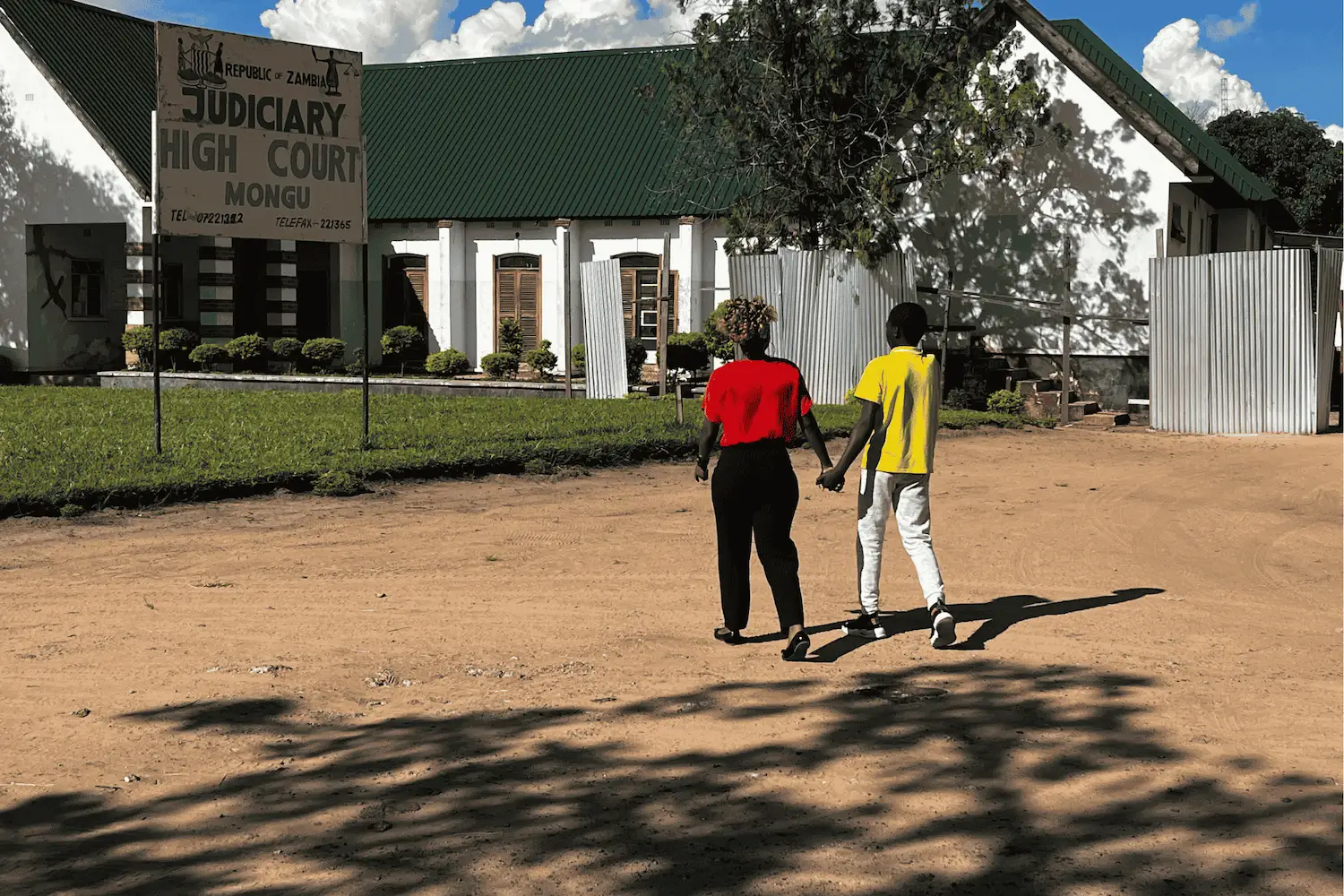
Along his healing journey, Mooya was also supported through a legal process that sought justice for the abuse he had endured. Kids Alive Zambia worked in collaboration with the Mongu District Social Welfare Office, the Victim Support Unit (VSU), and the National Prosecution Authority (NPA) to ensure his case was properly investigated and carried forward. Throughout this process, the trauma care team prepared Mooya to tell his testimony in court in a process that protected his dignity, built his confidence, and prevented re-traumatization.
With preparation and encouragement from the trauma care team, he testified with confidence. Afterwards, he shared:
“I am happy that my case went to court for justice. This makes me feel valued, heard, and know my presence matters.”
In 2025, his case reached a legal resolution and the teacher responsible was held accountable with a five year sentence for corporal punishment. Justice, in this case, was not only about a sentence: it was about restoring dignity, affirming Mooyas voice, and reinforcing that what happened to him mattered.
This is justice that heals.
Today, Mooya continues to grow with resilience and hope. He has developed a love for learning, especially in his favorite subject, Silozi (language), and dreams of becoming a teacher who can guide and encourage others.
His story is not defined by what was taken from him, but by what is being restored within him.
Through consistent care, safe relationships, and justice that protects, Mooya is learning something deeper about himself: that his life carries purpose, and that God still has a future filled with possibilities in store for him.
Scripture reminds us, “The Lord is near to the brokenhearted and saves the crushed in spirit.” (Psalm 34:18)
Mooya's journey reflects this promise. Step by step, he is moving forward: not alone, but supported, known, and strengthened.
Become a Safe Haven Champion
Children like Mooya need safe, consistent environments where healing and justice can unfold over time. Your support helps provide the care, relationships, and advocacy that make restoration possible.
Your support makes that possible. Become a Safe Haven Champion today to create spaces where children can be protected, supported, and equipped for the future.