Sometimes the hardest moments with a child are the ones we do not fully understand.
A child who lashes out in anger. A student who shuts down when asked a simple question. A young person who struggles to trust even the adults trying to help them. For caregivers, teachers, and parents, these moments can feel confusing and discouraging. Yet behind many of these behaviors is not defiance or disobedience—but a story of experiences that once felt overwhelming, frightening, or unsafe.
Trauma-informed care helps adults recognize these deeper experiences and respond in ways that promote safety, stability, and healing. Instead of reacting only to behavior, caregivers learn to see the wounds beneath the surface and meet them with patience, wisdom, and compassion.
For more than a century, Kids Alive International has walked alongside children and families carrying deep wounds. Across cultures and communities, we have seen the same truth unfold again and again: when children encounter consistent care, safe relationships, and the truth of who they are in Christ, healing becomes possible.
Trauma Is More Than What Happened
Trauma is often described simply as a painful event, but the reality is more complex. Trauma involves not only what happened to a child, but also how that experience was felt and how it continues to shape their thoughts, emotions, and behavior.
Many practitioners describe trauma through three connected elements:
The event that occurred
The experience of how overwhelming or unsafe it felt, and
The effect it leaves behind in a child’s life.
Two children may live through similar circumstances yet carry very different responses depending on the relationships and support around them. Trauma-informed care helps caregivers look beyond surface behavior and begin asking a different question: What might this child have experienced that shaped the way they are responding today?
That question often becomes the first step toward deeper understanding.
Behavior Often Reveals a Deeper Story
Children who have experienced trauma often communicate distress in ways adults do not expect. Some children become angry, disruptive, or defiant. Others withdraw emotionally, struggle to trust adults, or avoid connection altogether. These behaviors can be exhausting and discouraging for the people trying to help them.
Yet many of these responses began as survival strategies. What once helped a child endure difficult circumstances may now appear as challenging behavior in safer environments.
Trauma-informed care encourages adults to see behavior as communication. When caregivers begin responding with curiosity rather than frustration, children slowly begin to experience something new: the possibility that adults can be safe, patient, and consistent. Over time, this shift can rebuild trust and help children develop healthier ways of expressing emotions.
Healing the Whole Child: Body, Mind, and Soul
At Kids Alive International, trauma-informed care is combined with a Christ-centered approach to restoration. Children carry wounds not only in their memories and emotions, but often in their sense of identity and belonging. Healing must therefore reach the whole child—body, mind, and soul.
Trauma-informed practices help children regulate emotions, process difficult experiences, and rebuild trust with safe adults. At the same time, Scripture speaks directly to the deeper questions many wounded children carry: Am I safe? Do I matter? Am I still loved?
Biblical truth answers these questions with clarity and hope. Children learn that they are created in God’s image, deeply valued, and never defined by what has been done to them. As compassionate, holistic care and spiritual truth work together, children begin to experience restoration not only in behavior but in identity.
Healing Happens in Relationships
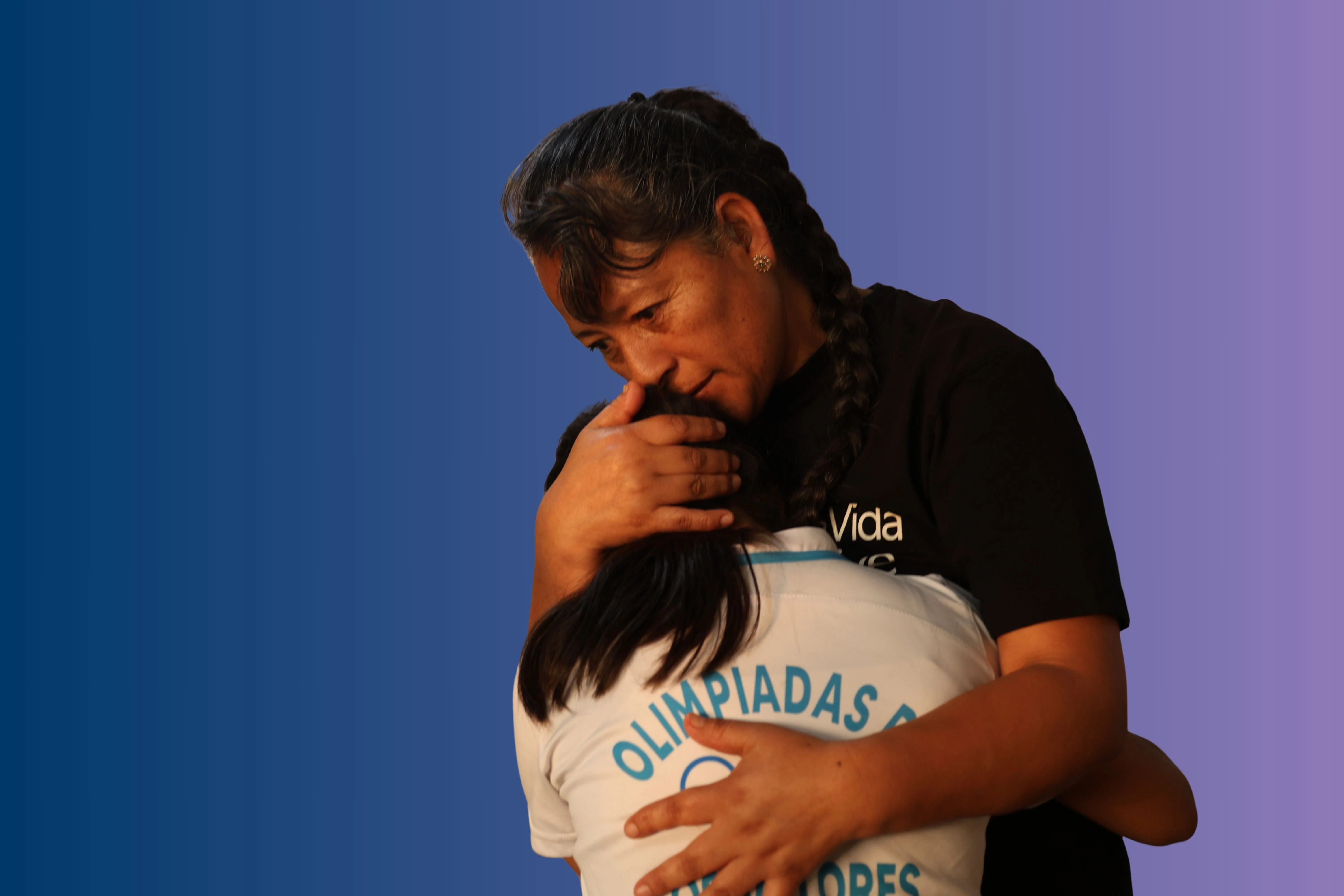
One of the most powerful influences in a child’s healing journey is the presence of a steady, trustworthy adult. When a child begins to experience consistent care—someone who listens patiently, remains present in difficult moments, and continues showing up even when trust is fragile—the child’s sense of safety slowly begins to grow. Over time, that relationship can help a child regulate emotions, rebuild trust, and begin seeing themselves differently.
As behaviors change and trust begins to grow, the entire family system often shifts—sometimes in beautiful ways, and sometimes in ways that feel confusing or difficult to navigate.
This is why trauma-informed care often extends beyond the child alone. As children experience safety, stability, and truth about their identity, those changes ripple outward into the relationships surrounding them. Understanding how healing affects the entire family can help caregivers walk through that process with greater confidence, patience, and hope.
A Resource for Parents and Caregivers
For many caregivers, this realization raises an important question: how can we approach the child with trauma-informed practices, but also support the entire family as healing begins to unfold?
Kids Alive International created a free resource guide to help explore this reality more deeply.
“Why Healing a Child Means Healing a Family” helps parents and caregivers understand how trauma affects family relationships and why lasting restoration often grows when the whole family begins moving toward safety, connection, and truth together. The guide offers practical insight for adults who want to respond to children’s wounds with wisdom, compassion, and hope while helping the entire family unit grow stronger in the process.
If you are walking alongside a child who carries deep experiences, this resource can help you take the next step toward creating an environment where healing and connection can flourish.
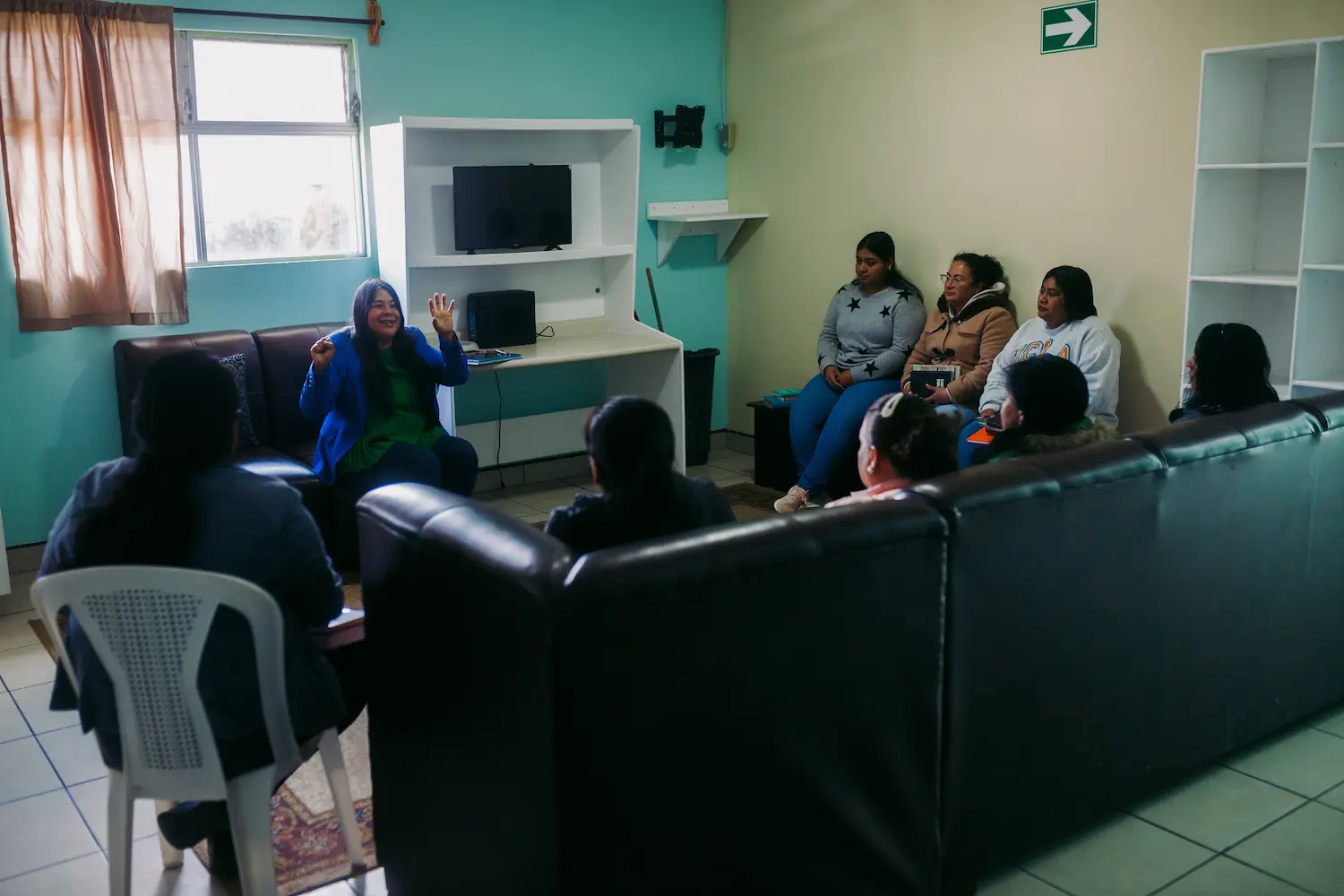
Every day at Oasis, Tía Vicky watches abused girls begin rediscovering something many had forgotten was possible: that they are chosen, they are clean, they are powerful, and they are masterpieces as children of God.
For Leslie Virginia López Castellanos — known lovingly by the girls and staff as “Tía Vicky” — that transformation is at the heart of her calling at Kids Alive Guatemala’s Oasis campus. As Residential Director, she leads the specialized trauma care team and creates a healing environment for girls who were once abused.
But for Vicky, the girls are never defined by the circumstances that brought them there.
“My motto with the coordinator team is two things,” she shared. “First, we are daughters of God — let’s look at whatever we’re facing through that lens. And second, we are professionals — let’s do this well.”
That philosophy shapes the culture at Oasis every day. Through trauma-informed therapy, education, legal advocacy, discipleship, medical care, and consistent relationships with trusted adults, the Oasis team walks alongside girls as they experience healing, a restorative relationship with Christ, and hope for the future. The goal is not simply temporary protection, but helping each girl grow into the fullness of who God created her to be.
For Vicky, that work is deeply personal. She initially studied law before sensing God calling her towards full time ministry. At 22 years old, she stepped away from her studies and spent several years serving in pastoral ministry. During that season, she discovered that much of her calling centered around counseling and walking with people through difficult situations.
“I realized that what I was doing most was counseling,” she explained. “So I looked for a way to do it professionally and with excellence — for God and for His people.”
That journey eventually led her to study psychology. Years later, when a friend from church told her about an opening at Kids Alive Guatemala (Vida para Niños), she immediately connected with the mission.
“When I researched the organization, I fell in love with what they were dedicated to: the mission, the focus, the objective,” she said. “This place has been my favorite job of my entire life.”
At Kids Alive Guatemala, Vicky found a place where faith and professional, trauma informed care work together. She describes the freedom to pray with girls and staff members, open Scripture during difficult moments, and place Christ at the center of the work as one of the things she loves most about serving at Oasis.
“The freedom to talk about God, to pray with someone, to stop what we’re doing and say, ‘Let’s pray right now’ — that fills my heart with deep satisfaction,” she shared.
Building an Environment Where Healing Can Grow
Each day offers a new adventure as she works to meet the unique needs of each child's healing journey. The work begins first thing in the morning. She addresses medical issues, meets transportation needs, communicates with other organizations, handles relationships with service providers, and so much more.
“No day ever goes as I planned it,” Vicky admitted. “But this place has trained me to be very versatile, very accessible, and to adapt.”
That patience and adaptability matter because healing is not about fitting children into a process—it is about understanding the unique story each child carries. Every wound, relationship, memory, gift, and dream matters because every child has been intentionally created by God with immeasurable value. At the heart of Oasis, healing is not treated as a formula. Instead, each girl is cared for with patience, flexibility, and the belief that her future is worth investing in.
“Everything revolves around that great responsibility and commitment to God and to the mission,” Vicky explained.
Watching Girls Rediscover Hope
She shares that some of the most meaningful moments come from witnessing the girls embrace God's word for themselves—not only through progress in school or behavior, but in the way they begin to see their own value and identity.
One memory of another young girl still moves her deeply. She had arrived at Oasis with an incredibly painful history of trauma, but during a devotional, she gathered with the other girls to sing The Goodness of God. As Vicky looked across the room, she saw the young girl standing with her eyes closed and hands raised while singing the words, “I will sing of the goodness of God.”
“I knew her story,” Vicky recalled. “I knew what she had been through. And she was standing there saying, ‘God is good.’”
For Vicky, the moment was a powerful reminder that healing is not about erasing the past. It is about helping girls experience hope, dignity, and the presence of God as they move forward.
“That moment,” she said, “is one of the most significant moments of my life.”
Vicky often watches girls arrive guarded, angry, or unsure whether the adults around them can truly be trusted. At first, some reject the staff completely.
“But then I get to watch the whole process,” she explained. “As they begin working through their trauma, their faces change. Their tone of voice changes. They begin to understand: these people aren’t here to harm me. They want to help.”
For Vicky, those moments reflect far more than behavior change. They are signs that a girl is beginning to feel safe enough to trust again, to rediscover her voice, and to believe she has value and a future worth fighting for.
“What my heart truly longs for, every single day, is to speak the Word of God,” she shared. “That’s what fills me.”
And through those faithful relationships, girls who once struggled to trust are beginning to discover something new:
Their lives have value. Their voices matter. And in Christ, their future as precious daughters holds the promises of God.
Help Create Safe Places for Healing
Through programs like Oasis, Kids Alive International walks alongside vulnerable children and families through protective care, trauma-informed counseling, discipleship, family strengthening, and justice advocacy.
Your support helps children experience healing, dignity, and hope for a future free from fear and violence.
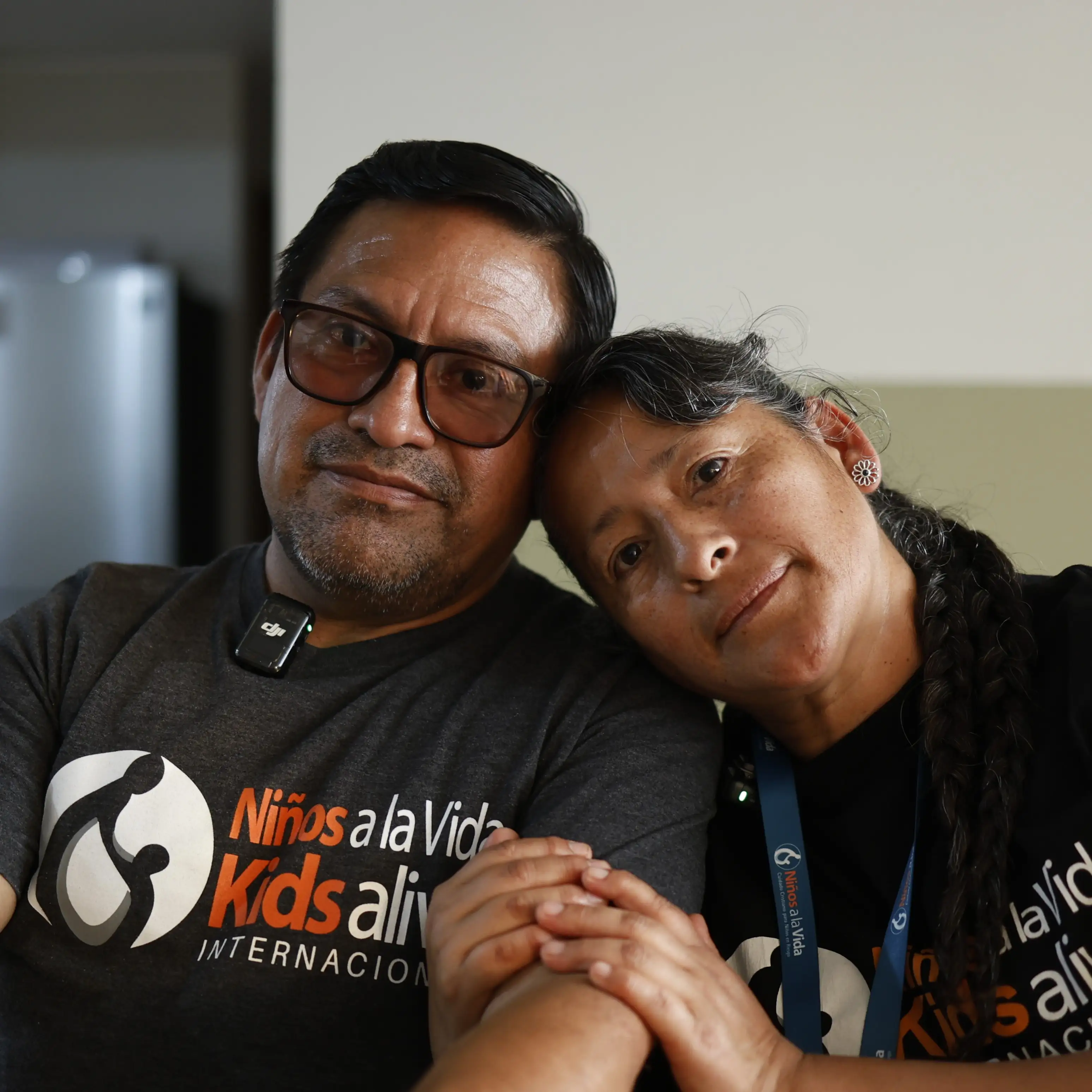
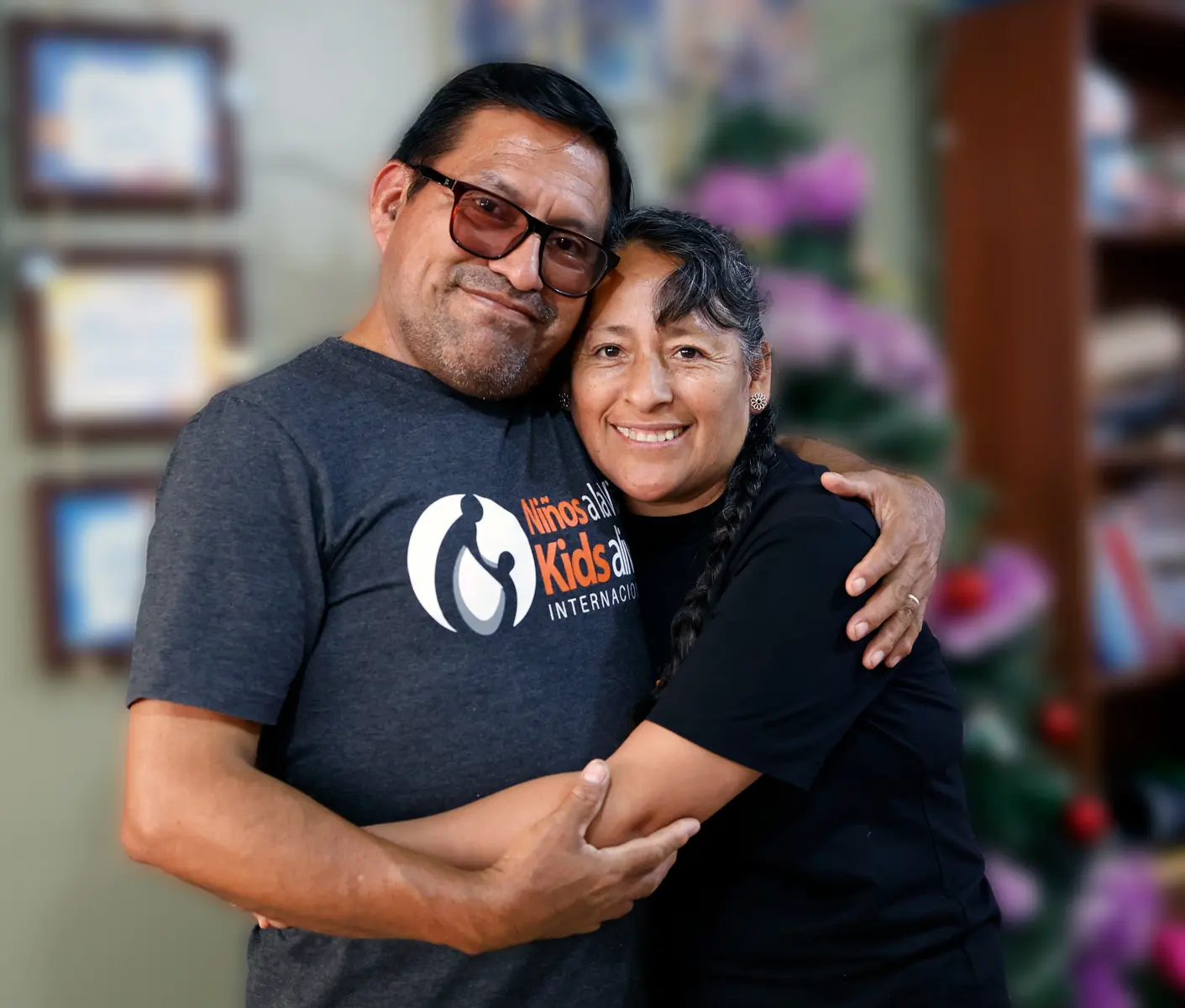
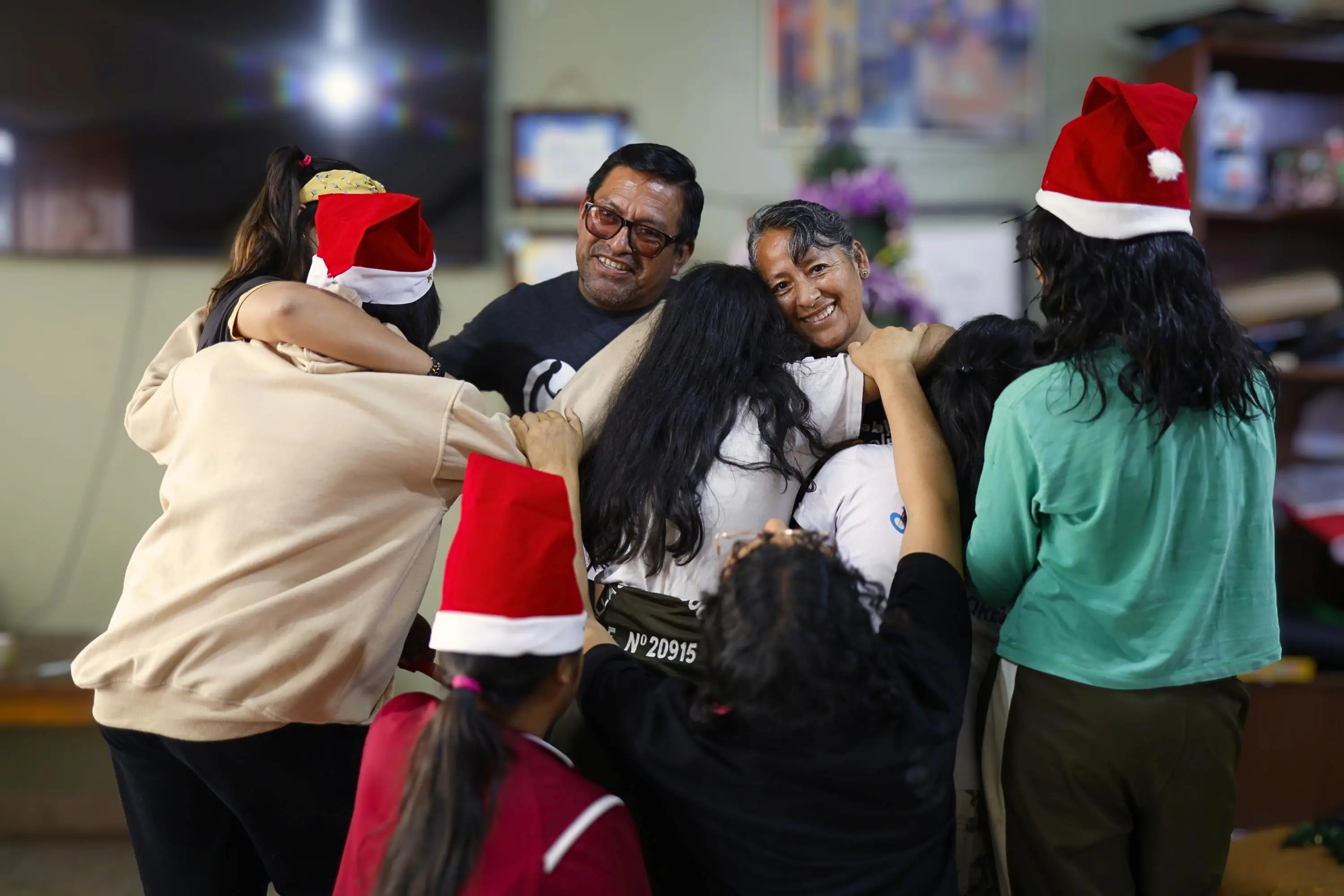
For César and Jaqueline, serving at Kids Alive began with a season of unexpected change. After the pandemic, both lost their jobs and began praying about their next steps.
Their connection to Kids Alive already ran deep. Their son had attended one of the ministry’s community programs, and through that experience they became more aware of the realities facing children who live in residential care. As they learned more about the children’s stories, they began sensing something. "We felt God calling us to serve in a more direct and committed way," César recalls.
Jaqueline remembers how one child’s story deeply affected her. Hearing about a child who had no parents opened her eyes to a reality that many people never see. "That experience moved us to get involved and to open our hearts to serve children who need care and protection," she says.
Today, more than four years later, they serve faithfully as caregivers and mentors at Kids Alive Peru's Juniper Tree Children's Home.
A Heart for Attentive Service
Both César and Jaqueline bring unique personal experiences that shape the way they care for children.
César’s childhood was marked by unequal treatment among siblings within a difficult family environment. That experience left a lasting impression on him. He takes care to treat each child with fairness, dignity, and love, "as if they were my own children."
Jaqueline describes herself as naturally open and service oriented. She strives to be present not only for the children but also for the Kids Alive staff around her. Listening, supporting, and helping wherever she can has become part of the culture of care she tries to create.
Together, their shared commitment helps shape an environment where children can experience stability and belonging.
Navigating Trauma-Informed Care
Caring for children who have experienced trauma comes with its own complexities. For César, one of the greatest challenges is preparing kids for life beyond the children’s home. While they are protected within the KAI home environment, the outside world often looks very different.
Part of his role is helping them develop discipline, responsibility, and respect so they can navigate the realities of adulthood while still feeling supported and loved.
Every day, Jaqueline is working to establish healthy boundaries. Each child carries a different story and healing process, and caregiving requires constant discernment.
What sustains them both is patience, persistence, and the willingness to keep walking alongside children even during difficult moments.
Witnessing Transformation
Over the years, César and Jaqueline have seen many lives change, but a few stories remain especially meaningful to them.
César remembers supporting a teenage boy through a difficult transition as he prepared to leave the children’s home. They stayed closely involved throughout the process. Later, the young man returned to visit them at their home and has remained in contact. César says, "It showed us that the love you invest truly leaves a lasting impact."
Jaqueline recalls a young boy who arrived carrying deep wounds of rejection. At first, he struggled to trust the people around him. Over time, as the couple intentionally made him feel like part of their family, his behavior began to change. Eventually, he started calling them “mom” and “dad.” "He started to feel loved," she recalls.
Serving With Faith at the Center
When asked what advice they would give to someone considering nonprofit work, both César and Jaqueline point to the same foundation: faith.
César believes this kind of service requires humility, forgiveness, and a deep spiritual grounding. "Without God, it would be very difficult to sustain this kind of work."
Jaqueline agrees. For her, understanding God’s forgiveness is what enables caregivers to extend grace to children who are still processing pain and loss. The work demands selflessness and daily reliance on Christ.
Living Out “Justice that Heals. Bonds that Mend.”
Kids Alive’s tagline resonates deeply with both César and Jaqueline.
For César, justice means protecting children who have come from deeply unjust circumstances. It means "loving them, guiding them, and providing holistic care—creating bonds that allow their hearts and lives to be restored."
Jaqueline sees restoration happening through everyday relationships. Healing begins when people acknowledge mistakes, ask forgiveness, and create safe spaces built on respect, listening, and love.
Together, they're working every day to help children experience the healing that comes from belonging.
Thank you for making it possible for caregivers like César and Jaqueline to provide loving homes where children can experience safety, belonging, and hope. Your support helps create justice that heals and bonds that mend for children all around the world. Want to learn more? Become a Safe Haven Champion today!
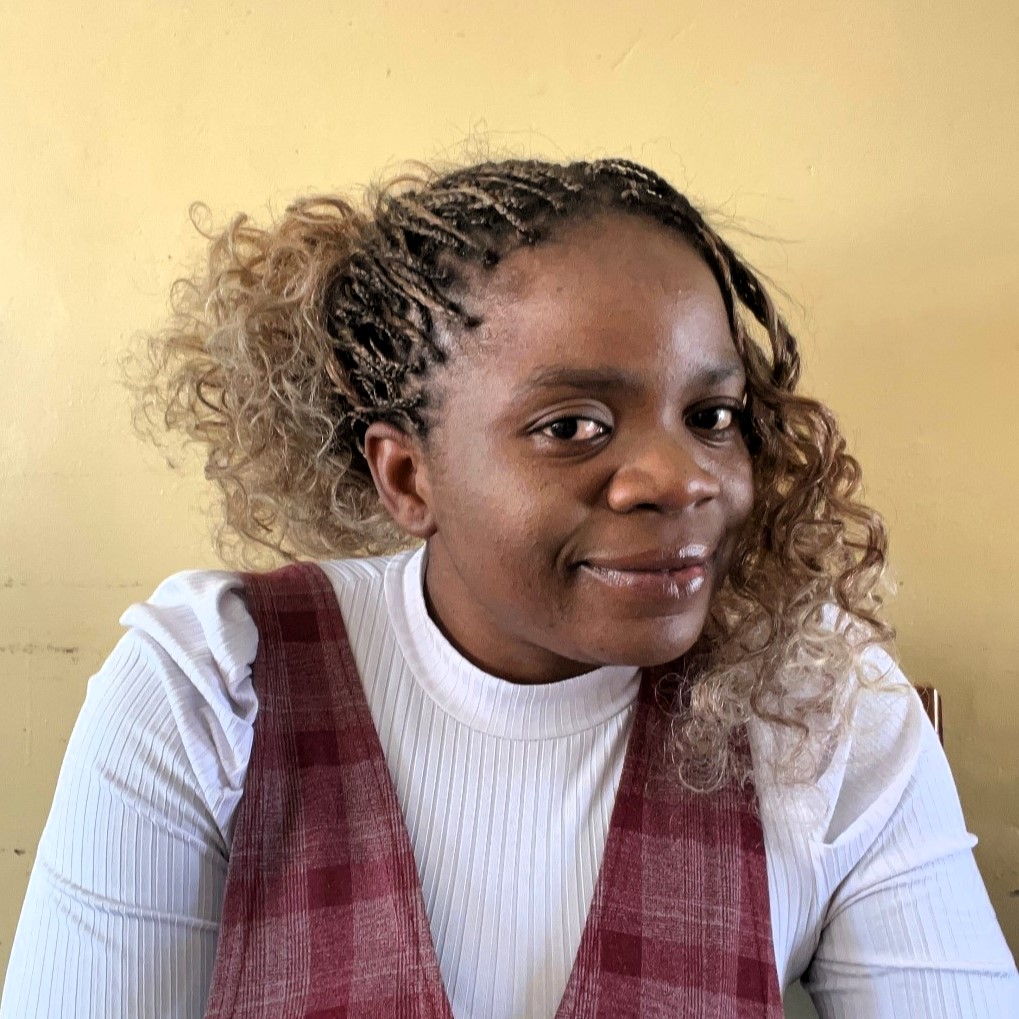
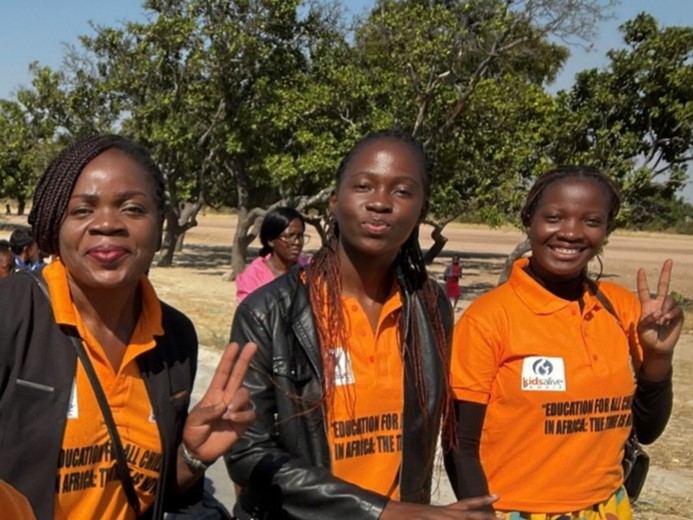
For the past three years, Kabukabu Ng’uni has served with Kids Alive Zambia, guided by a deep conviction that vulnerable children and families deserve protection, dignity, and hope. Long before joining the organization, those values were already shaping both her personal aspirations and professional path.
What drew her to Kids Alive was our commitment to advocating for children whose rights are often overlooked. That mission aligned with her own desire to see justice and care extended to those living on the margins. Today, her work reflects a calling rooted in skill and purpose.
A Heart That Listens
Kabukabu's role comes with moments that require deep emotional awareness. One of the most challenging aspects of her work is walking with children during seasons of transition, especially when they're being reunited with family.
In those moments, she carefully navigates the space between empathy and sympathy, remaining present without allowing emotion to overwhelm the child. It's the kind of work that requires self-reflection and trust in God’s guidance. Through it all, her focus remains on supporting children in ways that are meaningful, healthy, and restorative.
A Story of Transformation
One child’s journey stands out clearly to Kabukabu. Mary (name changed for safety) arrived at Kids Alive Zambia about three years ago after experiencing deep loss at a young age. After her mother’s death, her father abandoned the family, leaving Mary to care for her three siblings. The weight of that responsibility eventually pulled her out of school.
When Mary entered Kids Alive care, she was enrolled back into school and provided with the support she needed to begin again. At first, she struggled academically, but over time she began to catch up. She later completed her exams and performed exceptionally well. Today, she's at a mission boarding school.
Beyond academics, Mary has flourished socially and spiritually. She joined both her school and church choirs. "Mary shows so much passion when it comes to singing for her God," Kabukabu comments. Earlier this year, Mary was selected to participate in a special choral competition.
The girl who once arrived withdrawn and unhappy is now expressive, joyful, and confident. For Kabukabu, her growth is a powerful example of how God works through consistent care, opportunity, and belonging at Kids Alive Zambia.
Serving With an Open Heart
Kabukabu believes nonprofit work requires a willingness to give more than you receive. Serving in this space means aligning with the mission and values of the organization, understanding that "the ultimate reward for any good deed is from God."
To her, the work is not about personal gain, but about commitment, humility, and faithfulness in the small moments that shape a child’s life.
Living Out “Justice that Heals. Bonds that Mend.”
Kids Alive’s tagline holds deep meaning for Kabukabu. "It sparked a hidden flame in me to make every effort as I serve the children under our care." She sees it as an invitation to ensure that every interaction with a child carries purpose. The laughter shared, the time invested, and the love shown are not just ways to connect, but building blocks for belonging and joy.
Through her service, Kabukabu strives to help children experience more than attachment. She hopes they discover fulfillment, identity, and the freedom to live fully as God intends.
Thank you for making it possible for dedicated team members like Kabukabu Ng’uni to walk alongside children in Zambia with compassion and care. Your partnership helps create justice that heals and bonds that mend for children discovering hope and belonging. Want to learn more? Become a Safe Haven Champion today!



.webp)