KAI Resource Guide: Healing a Child Means Healing a Family
Why Healing a Child Means Healing a Family
For more than 100 years, Kids Alive International has walked alongside children who are healing from trauma. Across cultures and countries, we have seen a consistent truth emerge: healing does not happen in isolation. When a child begins to heal, the effects ripple through their family. Siblings adjust. Parents respond differently. Grandparents reconsider long-held patterns. Even small daily routines begin to shift.
Trauma may begin with one child’s experience, but its impact rarely stays contained. In the same way, restoration rarely remains limited to one person. When one child begins experiencing safety, belonging, and renewed identity, the entire family has the opportunity to move toward healing together.
That is why we created our free guide, Why Healing a Child Means Healing a Family. This resource offers a simple, practical framework rooted in biblical truth and evidence-based care to help parents, caregivers, teachers, and mentors support whole-family restoration.
Families Function as Connected Systems
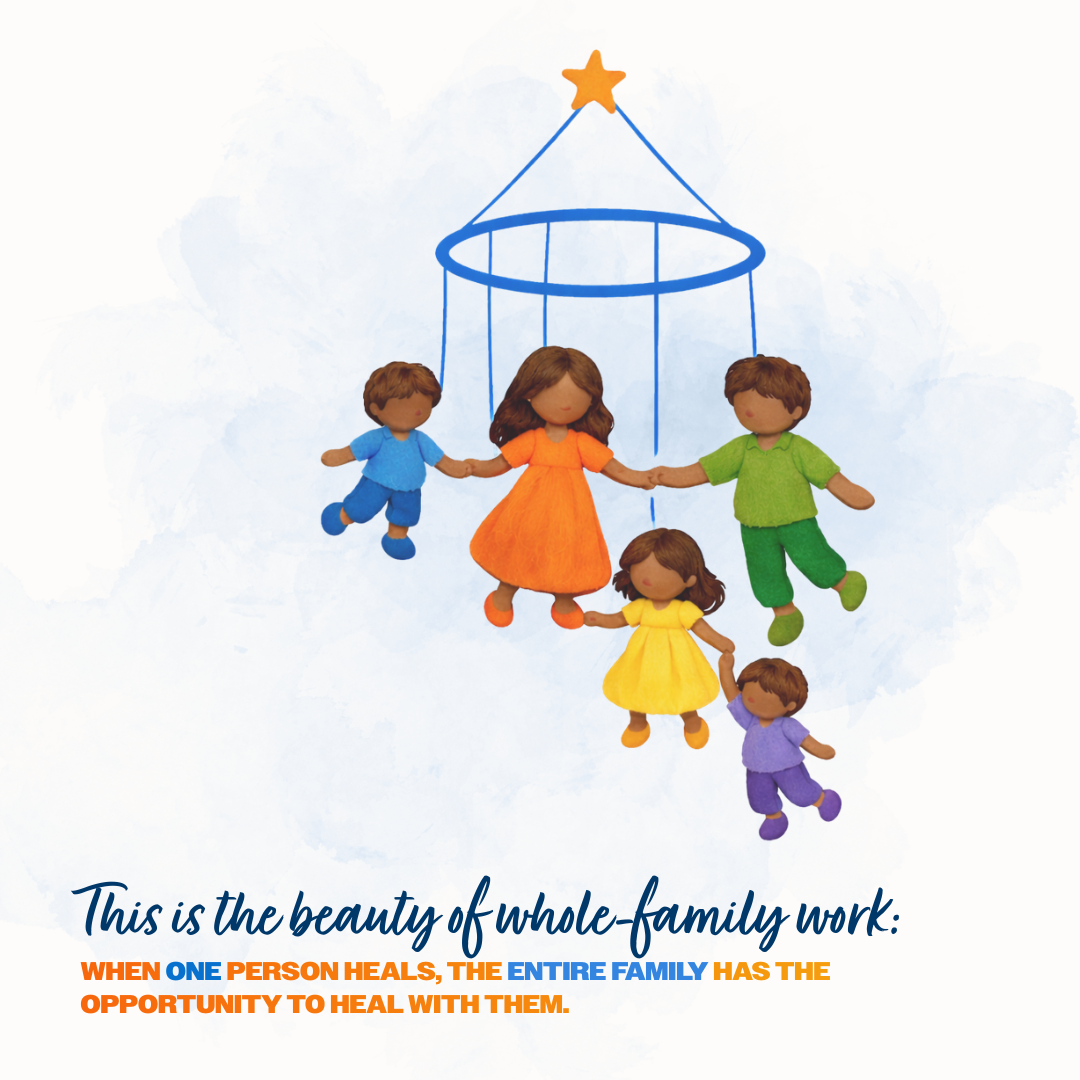
Imagine a baby mobile hanging over a crib. When you touch one piece, everything else shifts to find balance. Nothing moves alone. Every shape adjusts until the whole structure settles again.
Families work the same way.
When a child begins to heal from trauma and change — even in healthy ways — the entire family system feels it. Siblings may act out as familiar roles begin to shift. A caregiver trying new trauma-informed strategies may face resistance. Extended family members may struggle because, “This isn’t how we’ve always done it.” Even small changes in tone, routine, or expectations can create ripple effects throughout the home.
These responses are not signs of failure; they are signs that the system is adjusting. Families naturally seek stability, even if that stability was built around patterns that no longer serve them. As a child heals, the family rebalances in real time.
Children do not heal in isolation. Healing becomes sustainable when the whole family begins moving — even in small, imperfect ways — toward greater safety, stability, and connection. This is the beauty of whole-family work.
Restoring Identity at the Core of Healing
Trauma often distorts identity. It can quietly shape a child’s beliefs about belonging, worth, and power. A child may internalize messages such as:
I don’t belong.
It was my fault.
I cannot change anything.
I am damaged.
Healing deepens when those messages are replaced with truth. In the Biblical and evidence-based identity framework outlined in the guide, we highlight five core identity truths:
I am God’s child.
I am clean.
I am powerful.
I am chosen with purpose.
I am God’s masterpiece.
When identity begins to shift, behavior often follows. Shame loosens its grip. Hope grows. Boundaries strengthen. A child who sees themselves differently begins engaging with their family differently, and that shift creates space for others to grow as well.
This is how bonds begin to mend within a family.
Five Practical Ways to Support Whole-Family Healing
You don’t need a counseling degree to make an impact.
You only need:
A willingness to see the whole family
A heart that believes God still restores
Tools that help you create safety, belonging, and connection
Inside the guide, we outline five practical ways to support whole-family healing:
1. Create Safety in Everyday Life
Healing happens in bedtime routines, morning chaos, and sibling conflict — not just in formal conversations.
2. Strengthen Parents Without Shaming Them
Caregivers often carry their own wounds. Encouragement, coaching, and small doable steps can make a lasting difference.
3. Don’t Overlook Siblings
Siblings may become invisible, take on adult roles, or mimic trauma behaviors. Healing must include them.
4. Activate Extended Family
Grandparents, aunts, and uncles often shape daily rhythms. Equipping them creates alignment instead of resistance.
5. Address What Keeps Families Stuck
Economic stress, isolation, school challenges, or legal fears can quietly block healing. Practical support opens the door for emotional restoration
These aren’t complicated strategies. They’re faithful, consistent steps that build bonds that mend.
Why This Matters
At Kids Alive International, our programs reflect this whole-family approach. Through restorative education, family strengthening, protective care, and justice advocacy, we support children while also equipping caregivers and walking alongside families. Our goal is not short-term behavior change but long-term transformation that leads to thriving children in thriving families.
We believe every child deserves to:
Enjoy a vibrant, life-changing relationship with God
Experience emotional and physical well-being
Be equipped for a life of independence and service
Live in family and community free of fear and violence
These outcomes are most sustainable when families grow stronger together.
Download the Free Guide
If you are a parent, caregiver, teacher, or mentor supporting a child affected by trauma, this guide was created to equip you with practical, faith-centered tools.
Download your free copy of Why Healing a Child Means Healing a Family and discover how small, intentional steps can help create justice that heals and bonds that mend within the family unit.
Healing does not happen overnight. It unfolds through consistent presence, restored identity, and strengthened relationships. When one child begins to heal, an entire family has the opportunity to move toward restoration together.
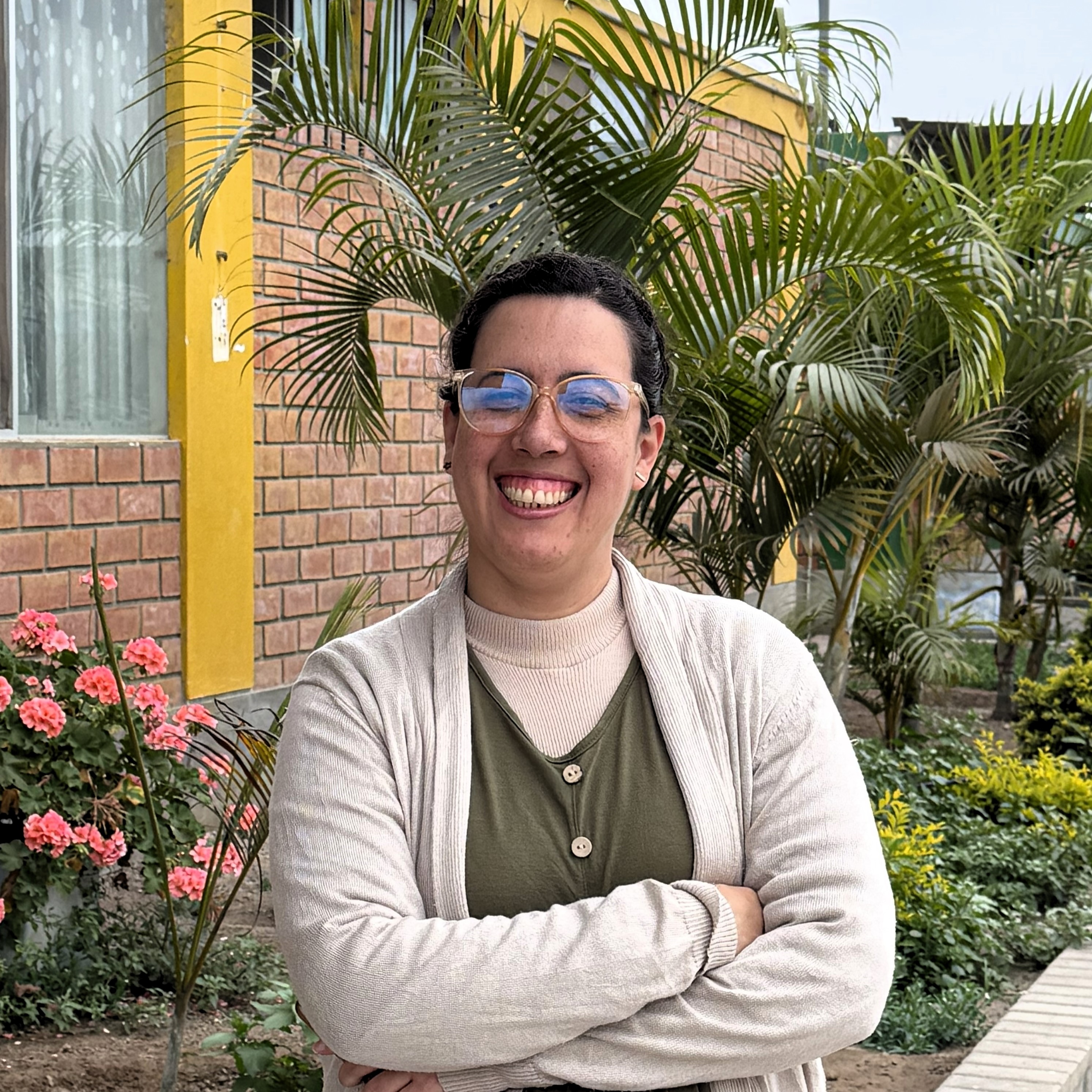
For two years, Sasha Reyes has served as a caregiver at a Kids Alive Peru home, offering gentle, consistent support to children in their restoration journeys. But her desire to serve others began long before arriving in Peru.
Back in Venezuela, Sasha worked with children and youth as a scout leader and often felt drawn to work rooted in care and guidance. When she learned about Kids Alive, she saw both the need and the opportunity to serve in a Christian organization, which made her decision even more meaningful.
Today, she sees her work as part of God’s invitation to walk closely with children who need compassion, stability, and hope.
Joy in Everyday Moments
Sasha brings warmth to the home in simple but meaningful ways. Earlier this year, she adopted a cat that had once lived on the property. Sasha cared for her and the kittens she had. "I’ve since found homes for most of them," she says. "It’s been a really sweet experience."
Walking With Children Toward Hope
Some of the deepest work Sasha does happens in the quiet, slow process of helping children learn to trust again. One of her biggest challenges is connecting with kids who find it difficult to receive love. Many have lived through seasons when they did not feel safe or valued, and they guard their hearts as a way of protecting themselves.
Sasha responds by being a present source of love in their lives. Sometimes she attends school activities outside of work so the children know they matter. Her approach is simple but powerful: demonstrtrating that each child is important and worth showing up for. "It’s about showing them that they can trust and that they are truly seen," she says.
Restoring Confidence Through Encouragement
One moment Sasha will never forget happened during a visit from Chef Giacomo Bocchio earlier this year. A girl under Kids Alive's care who usually hid her artwork decided to share one of her paintings. Giacomo’s wife noticed, called her husband over, and together they encouraged the girl to continue developing her talent. They even offered support for her artistic growth.
Sasha mentions, "That small moment was powerful — it gave her so much confidence and helped her see herself and her gift in a new light. It was truly moving." Moments like these remind Sasha of how God uses everyday encounters to restore hope and identity in children’s lives.
A Life of Service Rooted in Faith
For those considering nonprofit ministry, Sasha believes it must be a calling from God. The work is full of blessings, but also moments of weakness and self-doubt. In those times, she turns to prayer, asking God for the strength to love well, to be patient, and to understand each child’s needs. "He asks us to deny ourselves, to follow Him, and to delight in Him so that our desires align with His."
She has seen many prayers answered within the staff as they support one another. "It’s a life that only makes sense when it’s rooted in faith," she says.
Living Out “Justice that Heals. Bonds that Mend.”
When Sasha first read Kids Alive’s tagline, it resonated deeply. "I used to think justice was only about lawyers and judges," she says. "But I’ve come to understand that what we do here — being present, caring, and consistent — is also a part of Justice that Heals."
Bonds that Mend are at the very heart of Sasha's work. Children at Kids Alive Peru learn they are loved and valued, even if their past might be filled with pain. Sasha sees it as an honor to help bring healing to their lives through caring relationships. "I never imagined God would use me for something so meaningful."
Thank you for making it possible for caregivers like Sasha Reyes to walk alongside vulnerable children with love, steadiness, and hope. Your support helps sustain work like this all around the world. Want to learn more? Become a Safe Haven Champion today!
Because of you, healing is happening all around the world.
For two years, Sasha Reyes has served as a caregiver at a Kids Alive Peru home, offering gentle, consistent support to children in their restoration journeys. But her desire to serve others began long before arriving in Peru.
Back in Venezuela, Sasha worked with children and youth as a scout leader and often felt drawn to work rooted in care and guidance. When she learned about Kids Alive, she saw both the need and the opportunity to serve in a Christian organization, which made her decision even more meaningful.
Today, she sees her work as part of God’s invitation to walk closely with children who need compassion, stability, and hope.
Joy in Everyday Moments
Sasha brings warmth to the home in simple but meaningful ways. Earlier this year, she adopted a cat that had once lived on the property. Sasha cared for her and the kittens she had. "I’ve since found homes for most of them," she says. "It’s been a really sweet experience."
Walking With Children Toward Hope
Some of the deepest work Sasha does happens in the quiet, slow process of helping children learn to trust again. One of her biggest challenges is connecting with kids who find it difficult to receive love. Many have lived through seasons when they did not feel safe or valued, and they guard their hearts as a way of protecting themselves.
Sasha responds by being a present source of love in their lives. Sometimes she attends school activities outside of work so the children know they matter. Her approach is simple but powerful: demonstrtrating that each child is important and worth showing up for. "It’s about showing them that they can trust and that they are truly seen," she says.
Restoring Confidence Through Encouragement
One moment Sasha will never forget happened during a visit from Chef Giacomo Bocchio earlier this year. A girl under Kids Alive's care who usually hid her artwork decided to share one of her paintings. Giacomo’s wife noticed, called her husband over, and together they encouraged the girl to continue developing her talent. They even offered support for her artistic growth.
Sasha mentions, "That small moment was powerful — it gave her so much confidence and helped her see herself and her gift in a new light. It was truly moving." Moments like these remind Sasha of how God uses everyday encounters to restore hope and identity in children’s lives.
A Life of Service Rooted in Faith
For those considering nonprofit ministry, Sasha believes it must be a calling from God. The work is full of blessings, but also moments of weakness and self-doubt. In those times, she turns to prayer, asking God for the strength to love well, to be patient, and to understand each child’s needs. "He asks us to deny ourselves, to follow Him, and to delight in Him so that our desires align with His."
She has seen many prayers answered within the staff as they support one another. "It’s a life that only makes sense when it’s rooted in faith," she says.
Living Out “Justice that Heals. Bonds that Mend.”
When Sasha first read Kids Alive’s tagline, it resonated deeply. "I used to think justice was only about lawyers and judges," she says. "But I’ve come to understand that what we do here — being present, caring, and consistent — is also a part of Justice that Heals."
Bonds that Mend are at the very heart of Sasha's work. Children at Kids Alive Peru learn they are loved and valued, even if their past might be filled with pain. Sasha sees it as an honor to help bring healing to their lives through caring relationships. "I never imagined God would use me for something so meaningful."
Thank you for making it possible for caregivers like Sasha Reyes to walk alongside vulnerable children with love, steadiness, and hope. Your support helps sustain work like this all around the world. Want to learn more? Become a Safe Haven Champion today!
Because of you, healing is happening all around the world.
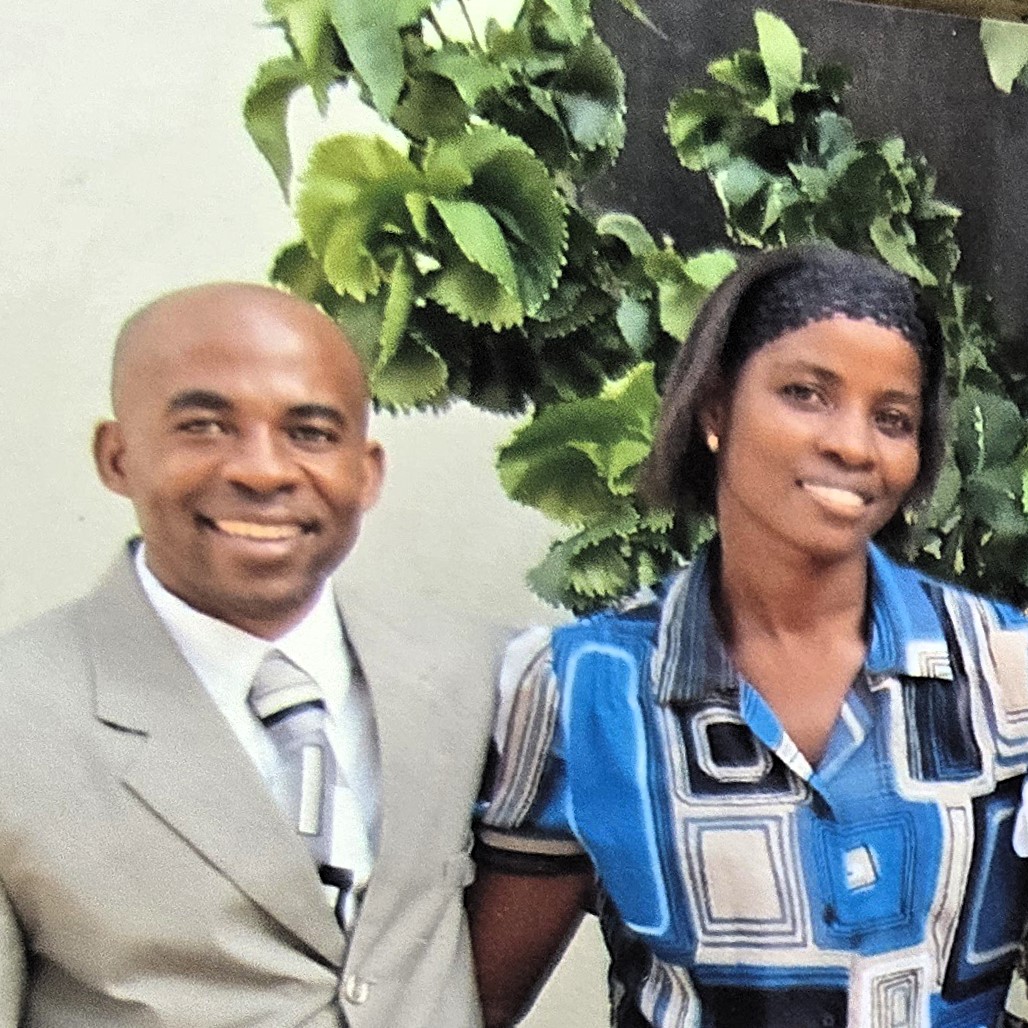
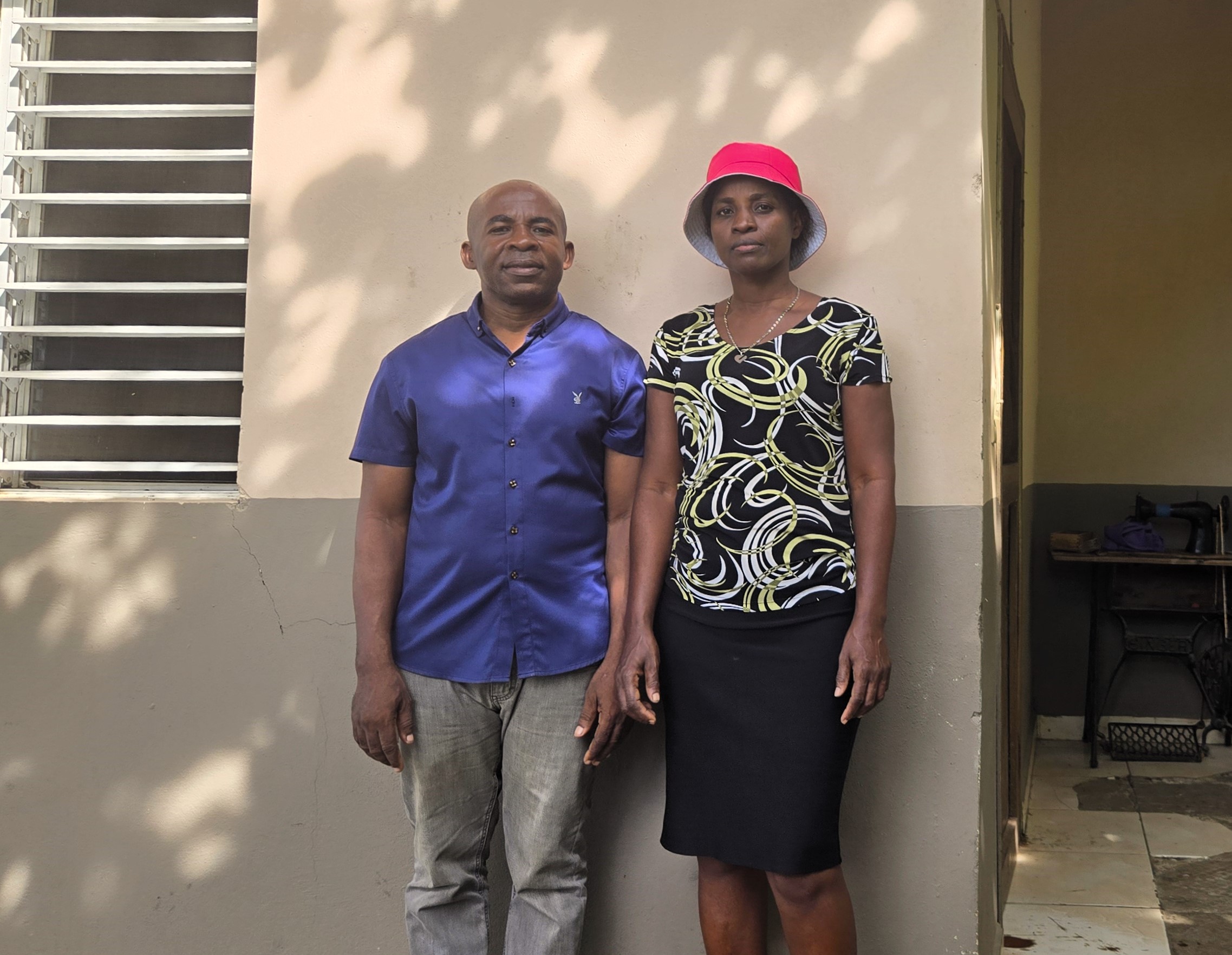
Meet Mr. Mesmin and Mrs. Celamise Borgella. They've served with Kids Alive Haiti since 2011. Back then, they never imagined how deeply the work would shape their lives. Once business owners, they sensed God opening a new door—one that aligned with their love for children.
Even as a young boy, Mesmin would tell his childhood friends that if he was born into a wealthy family, he would adopt and raise a lot of children. Celamise shared a similar longing in her youth—she had prayed for four children of her own. Looking back, she sees how God responded to that desire in an unexpected way, entrusting her with far more children than she ever imagined.
Today, after helping raise nearly twenty children over the years as House Parents (in addition to their two biological children), the Borgellas describe their greatest joy as watching their kids grow into independence and faith.
Joy and Everyday Life
Mesmin and Celamise oversee the Maison de l’Espérance house. Each day begins with devotion and the laughter of children preparing for school. It’s a home filled with structure and joy.
One memory they often laugh about is the day Mesmin tried to cook spaghetti while his wife was sick. Not remembering that the water needed to boil first, he added the pasta too early and ended up with a sticky mess. Rather than waste it, he improvised by adding sugar and milk, turning it into porridge. The children never suspected a thing; they simply enjoyed the special meal their papa had made for them.
Moments like these remind the Borgellas that love and laughter are just as important to a child’s healing as food and shelter.
Guiding Hearts Through Challenges
Caring for children brings deep joy, but it also comes with real challenges—especially as kids grow older and begin testing boundaries. The Borgellas have walked through many of those moments together. But rather than becoming discouraged, they anchor themselves in prayer and Scripture. Their approach is shaped by verses like Proverbs 22:6.
"Train up a child in the way he should go, and when he is old he will not depart from it." – Proverbs 22:6
Through steady love, patience, and faith, they’ve learned that every difficult season can also become a moment of growth—for the children and for themselves.
A Testimony of Transformation
Among the many young lives they’ve touched, one stands out: a boy we’ll call Jacques. When he arrived from Port-au-Prince, he wanted nothing to do with God and only attended church because he had to. Yet the Borgellas and the Kids Alive Haiti team continued pouring into him—sharing truth, offering encouragement, and choosing compassion even when he resisted.
Years later, after returning to his community in Port-au-Prince, Jacques reached back out with heartfelt letters and phone calls. He thanked them for their patience and for guiding him toward faith. Today, he is actively involved in his church, serving in children’s ministry and passing on the same love and teaching he once received.
A Heart for Service
For the Borgellas, their role as House Parents is not merely employment—it is a calling from God. They believe that caring for these children is a powerful opportunity to reflect God’s love in tangible ways.
They encourage anyone considering nonprofit ministry to approach it with an open heart. The work can be difficult, but it's also profoundly rewarding. "God will bless you in ways you will not expect," they say. To them, serving children means offering your whole self—trusting that God will bless both the effort and the impact.
Living Out “Justice that Heals. Bonds that Mend.”
The Borgellas see Kids Alive’s tagline as a daily guiding principle. To them, it means creating a home where every child is treated with dignity, kindness, and fairness. It means leading without favoritism, ensuring that each child feels secure, valued, and truly at home.
They feel the responsibility to advocate for every child under their care—to act almost like "public defenders" who protect and uplift without distinction. Guided by love and grounded in faith, they work each day to cultivate a family culture where healing can take root and hope can flourish.
Thank You
We are deeply thankful for donors whose faithful giving makes it possible for couples like the Borgellas to serve as loving parents in Kids Alive homes. Your support helps create safe, nurturing environments where children discover family, faith, and the justice that heals. Want to learn more? Become a Safe Haven Champion today!
Because of you, healing is happening all around the world.



.png)